
Site Conditions And Goals
The site is three assembly lines at an equipment manufacturer in the Pearl River Delta, takt time 90 to 150 seconds, 8 to 12 stations per line. Quality checks need to see hole alignment, seal-ring flips and missing screws at the station, previously done by eye under the station lamp with handwritten rework slips, leaving no evidence when disputes arise. The workshop mixes 24V and 220V power, with vibration and oil mist near the machine tools, and less than 200 mm of usable station space in each direction.
The retrofit goals stay inside the imaging chain: send key station pictures to the industrial PC for magnified judgment and screenshot archiving, let the supervisor screen see the current station state at the same time, keep the line control network out of video transport, and leave the PLC and barcode scanner connections unchanged.
What the line-side electrical cabinet offers video is one 12V auxiliary circuit and two free USB ports; the industrial PC shares one display with the line scanner but the software stays independent. The supervisor screen sits where the three lines meet, and its sources had to come in without reinstalling the system, so all conversion and capture stages in the chain are done at the station side, adding only one capture box at the cabinet side.
Camera Layout
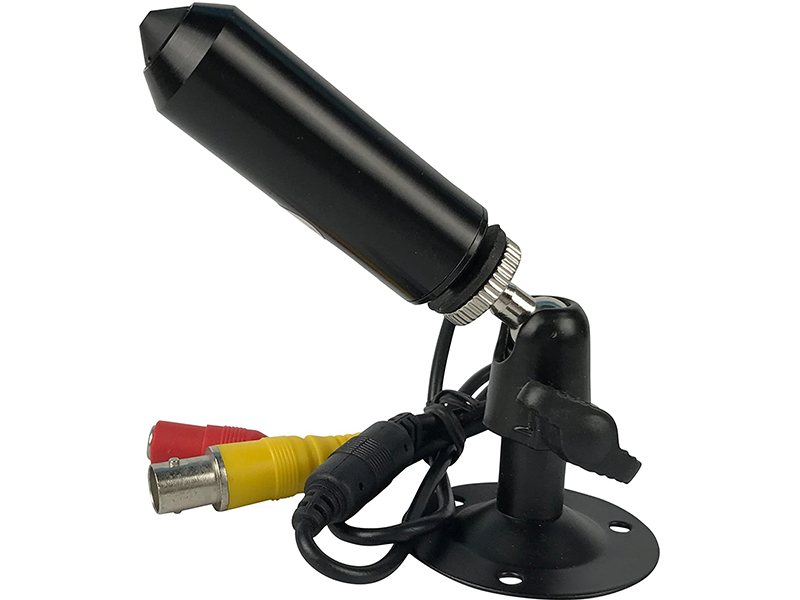
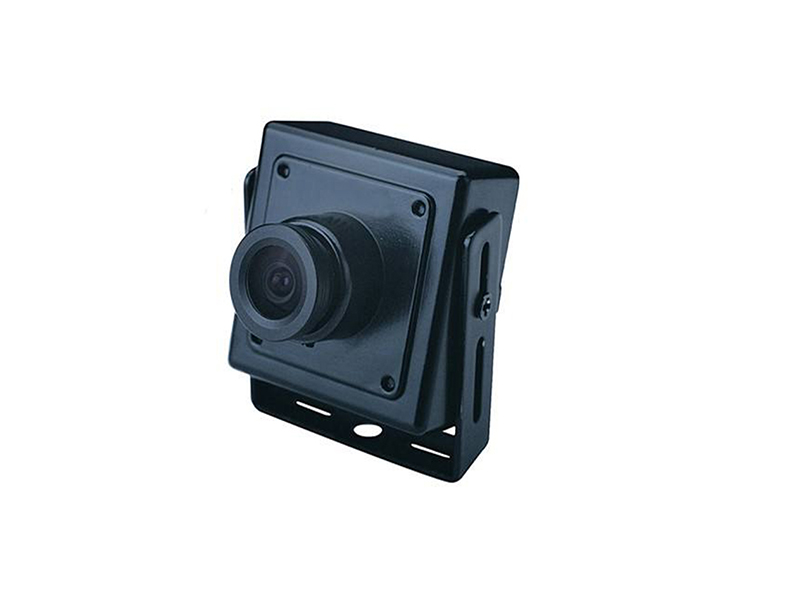
Nine points per line: 4 for hole alignment, 3 for internal seal-ring inspection, and 2 panoramas at the line head and tail. The miniature units are strap-mounted to the rack square tubing with the lens perpendicular to the fixture face, avoiding mutual occlusion with the operator's hands.
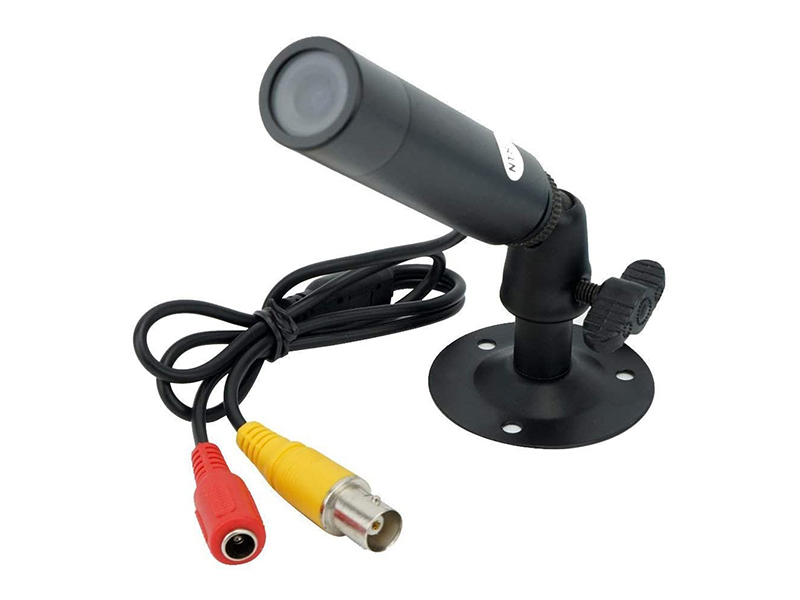
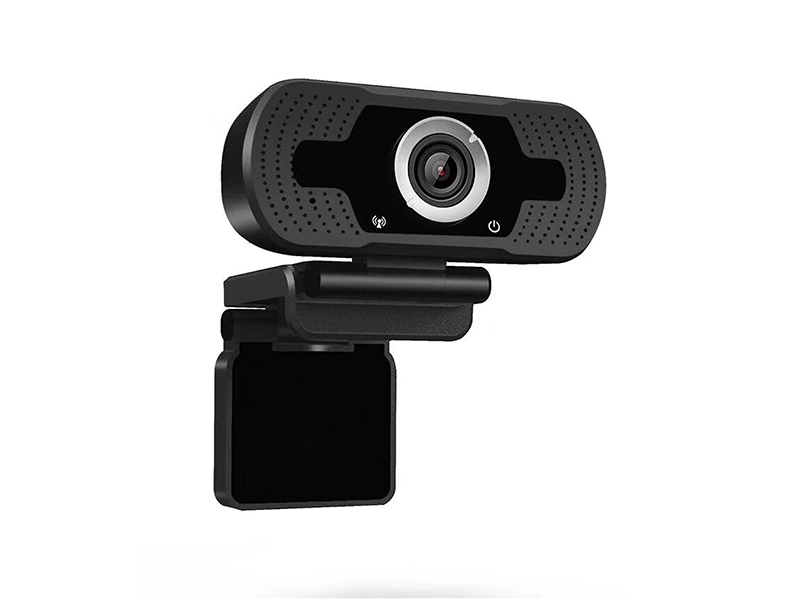
Internal inspection points use USB models at the fixture opening, field width held to 60 to 90 mm, judged on hole edges and seal-ring outlines; hole alignment points use coaxial HD models, their lines merging through cable trays into the line-side capture box; the two head-and-tail points take panoramas and verify the entry and exit order of workpieces.
Wiring And Device Hookup
All connectors change to locking BNC and latched USB cables to resist vibration loosening. Cameras never mount on the machine tool body; brackets fix independently so vibration sources are not conducted straight into the lens.
| Stage | Approach | Equipment Category |
|---|---|---|
| Station imaging | 30 x 30 mm starlight miniature coaxial HD units close to the fixture, unified to PAL at 25 fps | Miniature camera |
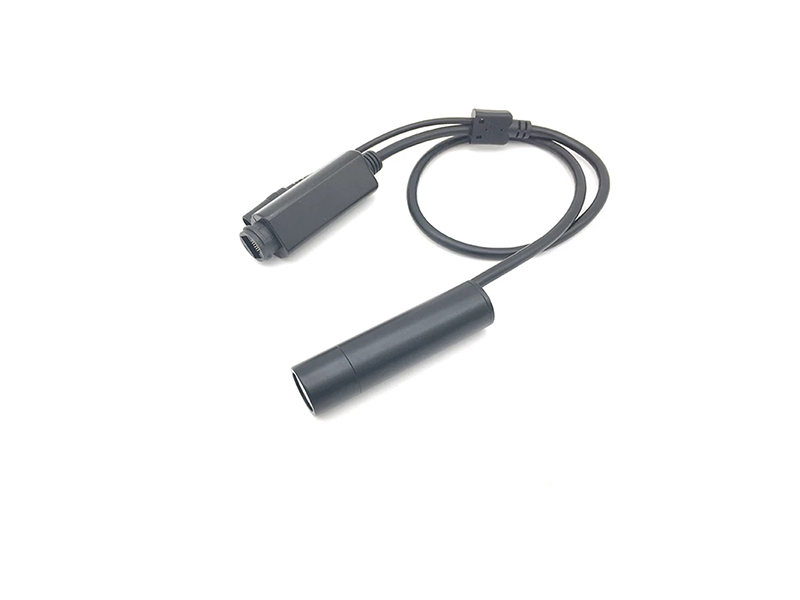
| Local magnification | A 1080P USB UVC unit plugged straight into the industrial PC's USB 3.0 port, driver-free into the inspection software | USB camera |
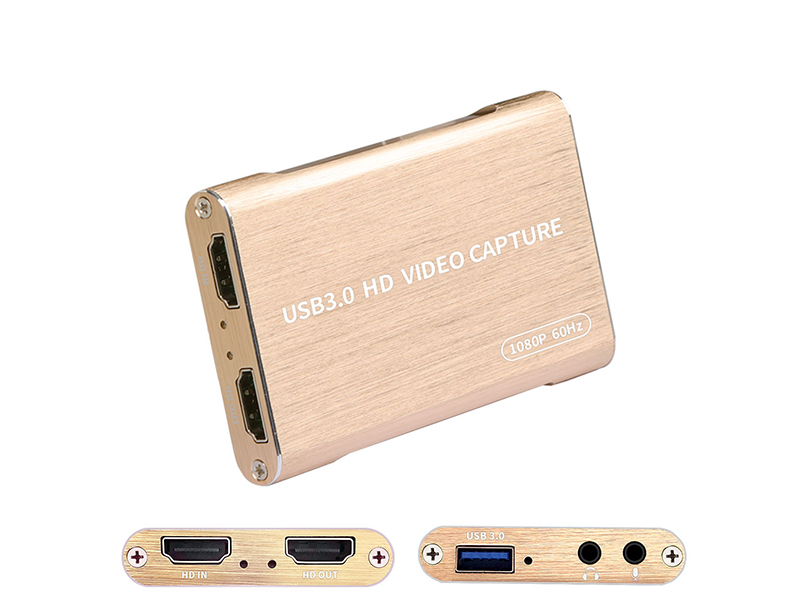
| Analog-to-digital bridge | An AHD/TVI/CVI/CVBS to USB 3.0 capture card feeds coax pictures into the inspection station software | Video and audio accessories |
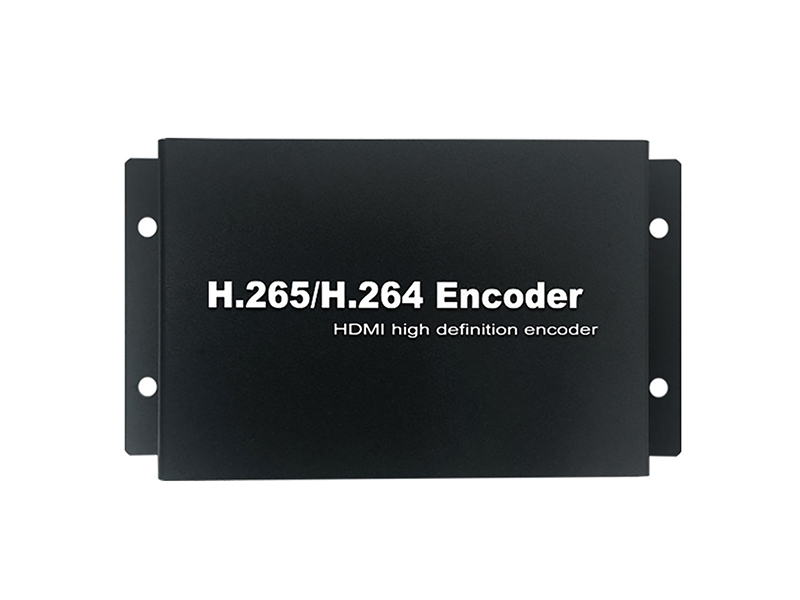
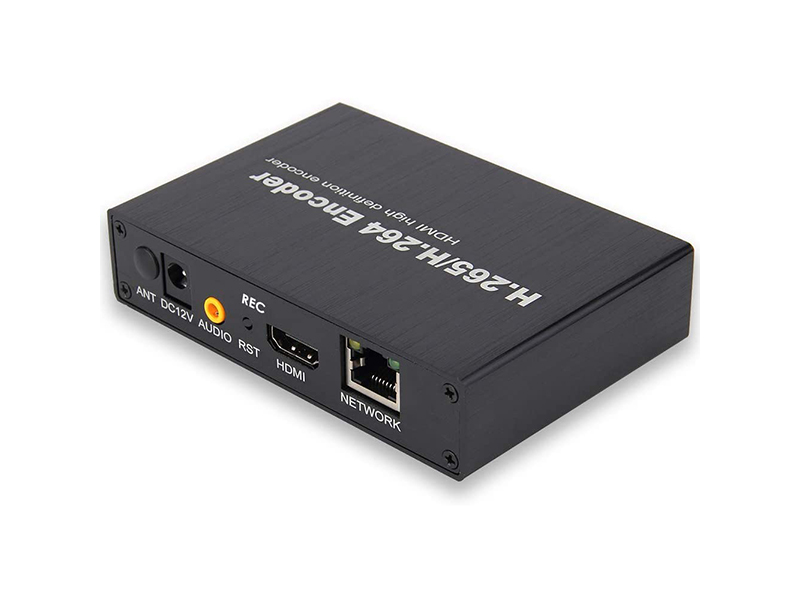
| Line-side display | An H.265 1080P HDMI encoder pushes supervisor screen pictures to the line-side monitor and the recorder | Video encoder |
| Power and routing | Centralized DC 12V with per-branch fuses; video cable and power cable in separate troughs, spaced 100 mm or more | Miniature camera |
Commissioning And Acceptance
Commissioning unifies formats first: the whole line runs PAL at 25 fps, avoiding mixed NTSC 30 fps that drops capture-card frames and offsets software grabs. Fill light uses small polarized lamps to suppress highlights on metal parts. On the industrial PC each channel is timestamped by station number, matching shift records.
Acceptance runs a judgment test on defect samples: 20 pieces each of seal-ring flips, missing screws and skewed labels; playback and screenshots that resolve them count as passing. After a week of continuous running, all brackets and connectors are re-tightened and lens fouling checked. Estimated at 2 to 4 Mbps per 1080P channel, nine channels kept for 15 days need about 1.1 to 2.2 TB.
Station fill light standardizes on low-glare bar lamps, lamp direction kept at 30 degrees or more to the lens so metal parts show no hot stripes. Positions with heavier oil mist get housings and per-shift wiping, and the protective glass in front of the lens is selected as a removable, washable part. Between capture card and industrial PC a fixed-length cable is used, with no slack coiled on the rack heat sink, and the ground lead goes to the line-side cabinet ground bar rather than the machine tool shell.
Next Steps
When adding stations, first check the industrial PC's free USB ports and the capture channel count, and pick expansion units in the same format and lens spec to avoid two batches of mismatched color. For OEM orders, PAL format, brightness ceiling and image parameters can be preset in firmware, pre-tuned before shipping with inspection records included. For similar lines, request sample units and a compatibility list first, and send the station count, fixture dimensions and industrial PC interface situation to info@vctcctv.com.