
Site Conditions And Goals
The owner is a convenience store brand across three cities in East China, 20 stores in total, 8 to 16 channels each, with most stores still recording locally on an 8-channel DVR. Local playback is fine, but supervisors touring stores had to log in one by one, and a full round took half a day. Store commercial broadband is mostly 100 Mbps down and 20 to 40 Mbps up, so the real bottleneck is upstream.
In these stores the low-voltage box usually sits near the receiving door, with room for one switch and two devices, and no spare conduit outside the box, so new points can only be cabled through existing shelf back panels and ceiling grid. Property management limits work during business hours, giving each store two-hour windows before opening and after closing.
The goals were set concretely: supervisors see key channels of several stores on one screen at headquarters, local recording and storage stay untouched, store POS and control networks do not share video bandwidth, and new points are powered mainly over PoE to reduce in-store power changes.
Camera Layout
Each store runs 8 to 16 points by floor area, of which 4 to 6 upload as priority channels while the rest record locally only. New points cluster at entrances, the checkout area and the receiving door; the existing coax points stay in service.
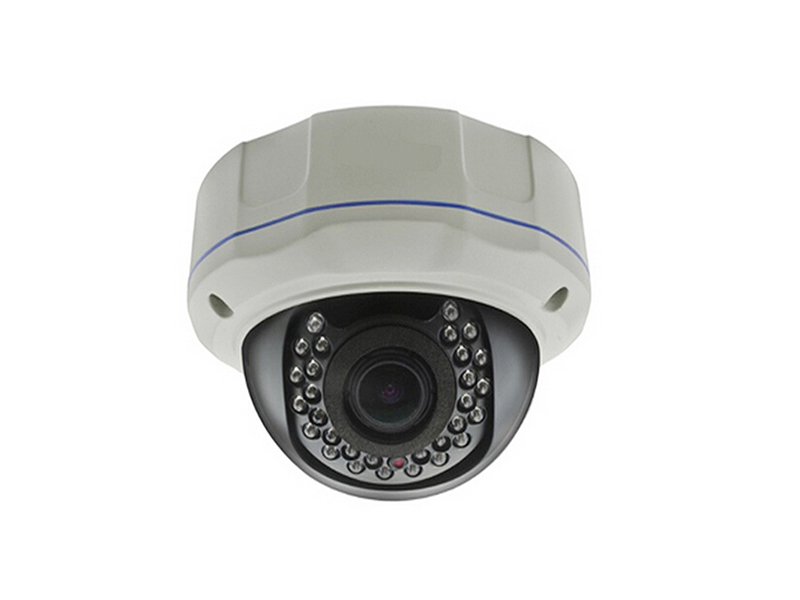
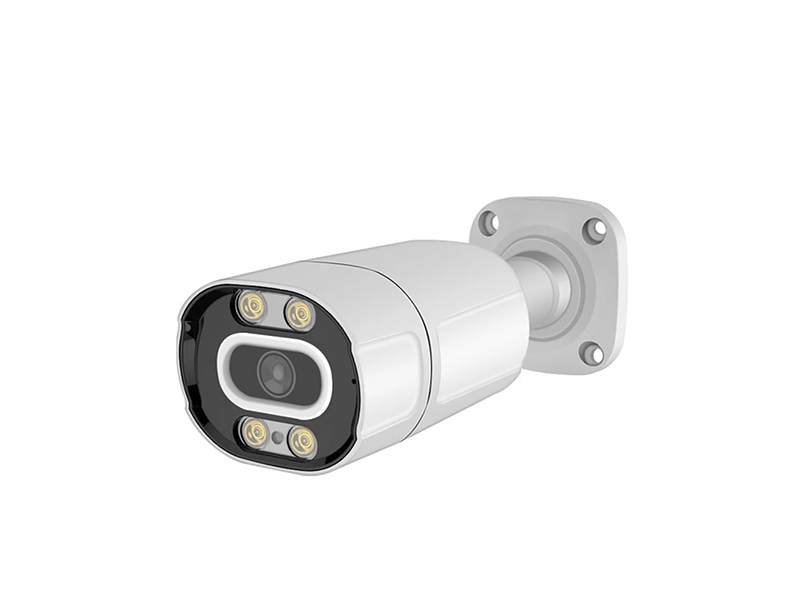
- Entrance: 3MP starlight waterproof dome; during backlight hours the focus is people's movement inside the door
- Checkout area: two units of 3MP to 5MP class, covering the counter and the queue
- Receiving door: one fixed view taking cargo boxes and vehicle tails entering the frame
- Existing coax channels: merged onto the network side through encoders, no rewiring
- Upload channels: capped at 4 to 6 per store, polled in groups by supervisor roster
Wiring And Device Hookup
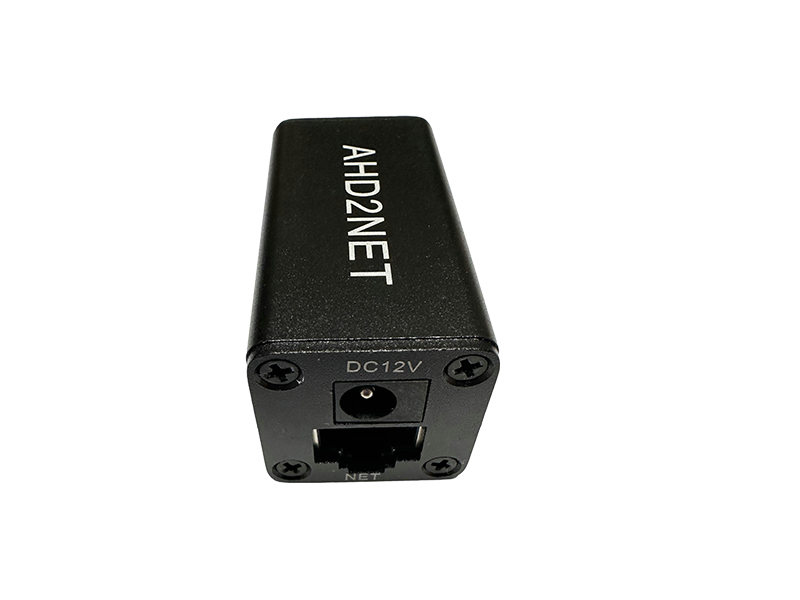
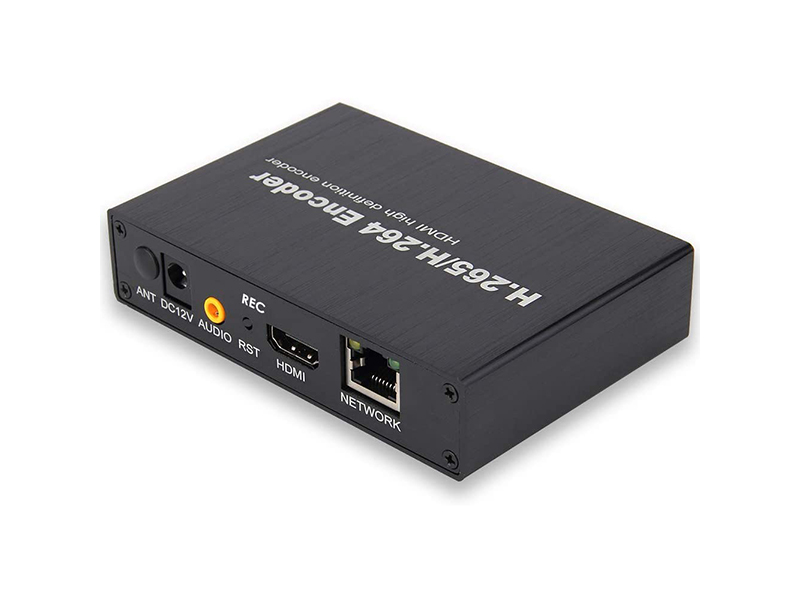
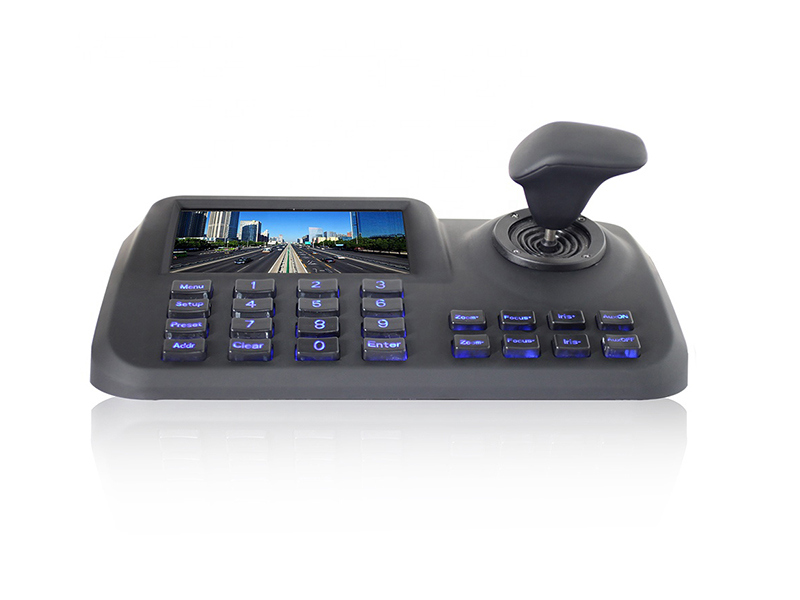
New points run Cat 5e or Cat 6 cable, each link kept under 90 meters, grouped on an in-store 8-port or 16-port PoE switch, VLAN-separated from the POS segment. Retained coax channels use one coaxial HD to IP encoder per channel on the network side, and converters and encoders all sit in the store's low-voltage box, which keeps 2U free for later equipment. At headquarters an IP keyboard controller switches between stores and channels, avoiding repeated mouse logins across multiple recorder web pages.
Switch power budget is calculated at a 13 W ceiling per port, the 16-port model keeps two ports redundant, and when exceeded a second-tier switch is added rather than pulling one cable past 90 meters. Before an encoder goes in, the line is first judged for format and resolution in the equipment room with a converter, confirming it carries 1080P, so line problems are not mistaken for device problems. Every port in the box carries a channel map listing position, camera model and format, so repairs are located from the table.
Commissioning And Acceptance
Upstream bandwidth is budgeted per channel tier: the 1080P main stream at 2 to 4 Mbps writes locally only, uploads go through 720P substreams set at 512 Kbps to 1 Mbps, six channels totaling about 6 Mbps, leaving headroom for POS and checkout. Commissioning uses a 7-inch tester to check network camera address assignment, ONVIF connectivity and image quality on site, while retesting the format at the coax far end confirms the encoder input is normal.
Acceptance covers actions and concurrency: headquarters opens one channel at eight stores at once, and latency steady within 2 seconds is not judged as stutter; timestamp deviation from the store clock stays within 2 seconds; if any store loses internet, local recording does not interrupt and the unit reconnects automatically once the link returns.
The touring method is tied to acceptance: supervisors group by region, 5 to 7 stores per group, 4 to 9 channels polled on one screen with 20 to 30 seconds per channel; during acceptance, six stores are opened at peak business hours to watch for frame loss and automatic bitrate drops. Image parameters are archived per position, and the checkout area and entrance do not share one set of brightness and white balance settings, so copying a configuration does not color-cast the whole store.
Next Steps
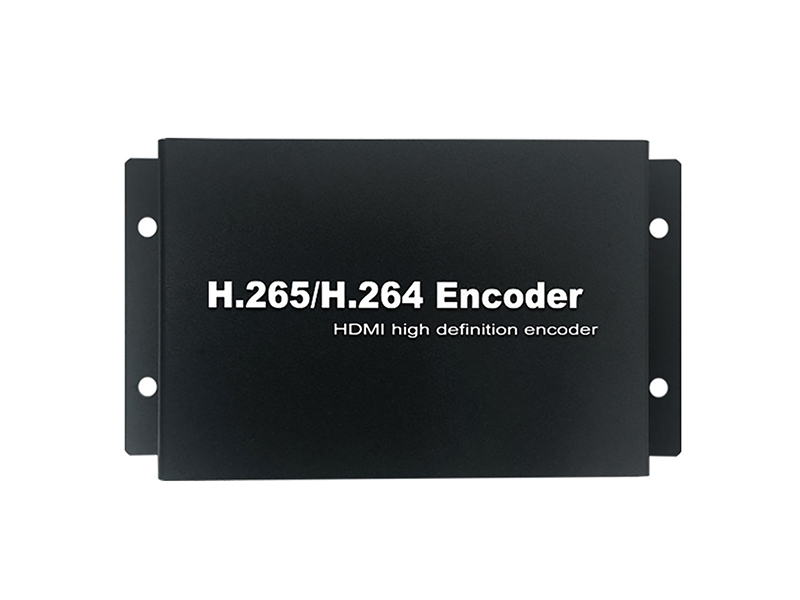
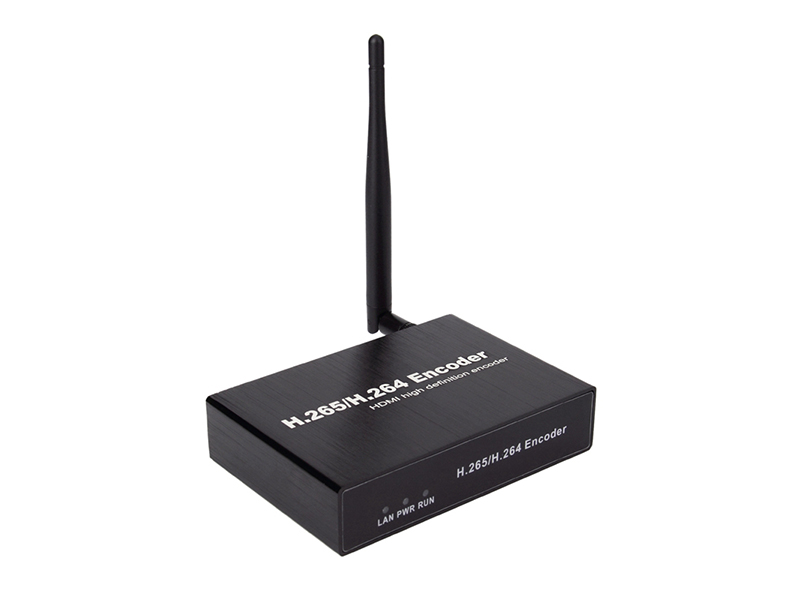
Rollout goes batch by batch: five pilot stores first, and once bandwidth and images are confirmed, the design replicates to stores with similar line conditions. Spares are configured per every 10 stores as 2 encoders, 1 PoE switch and 1 shared tester, cutting on-site wait time. If headquarters later needs a video wall tour, an H.265 1080P HDMI encoder can push the decoded output back onto the network. For similar sites, request sample units and a compatibility list first, and send the store count, points per store and current recorder models to info@vctcctv.com for interface confirmation.