
Site Conditions And Goals
The owner is a convenience store chain in South China. A single store runs 120 to 180 square meters of sales floor. The original 8-channel standard-definition analog system was built around 2016 on SYV-75-3 coaxial cable, laid along ceiling grid and shelf back panels, with power from separate 12V adapters tapped locally in the store. The retrofit could not close the store, and the ceiling was only opened for about two hours after business; the labor and cost of new wiring were both over this phase's budget.
Requirements focused on three places: the checkout must resolve banknote denominations and change-handling actions, the liquor cabinet must show the goods on each shelf layer, and the back-room corridor must cover people in and out. Front-end resolution moves to 1080P or above while matching the existing lines. The recorder is replaced in two steps: first the working 8-channel old unit holds the load, then everything merges into a new 16-channel unit half a year later.
The main interference in this kind of store comes from ceiling spotlights and reflections off glass cabinet fronts. Camera angles were marked on the floor plan beforehand, avoiding direct and reflected sightlines, to cut down later round trips of angle adjustment.
Camera Layout
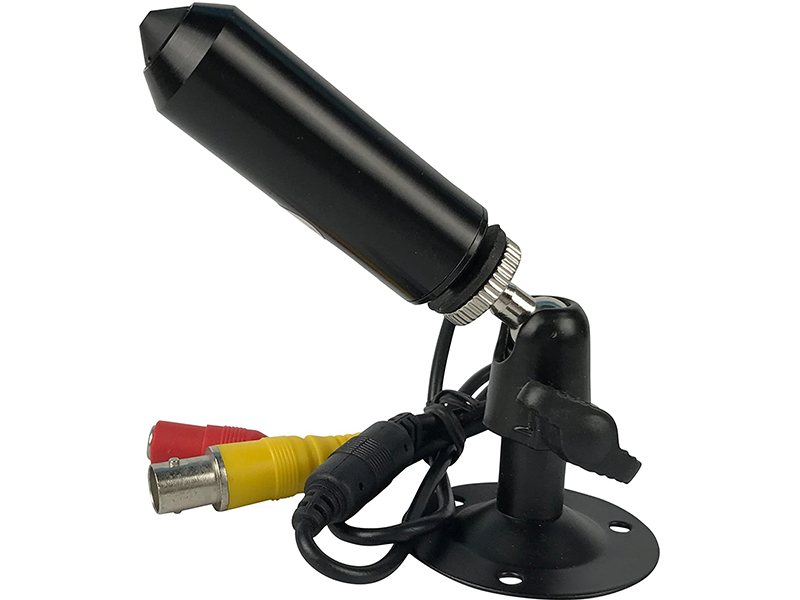
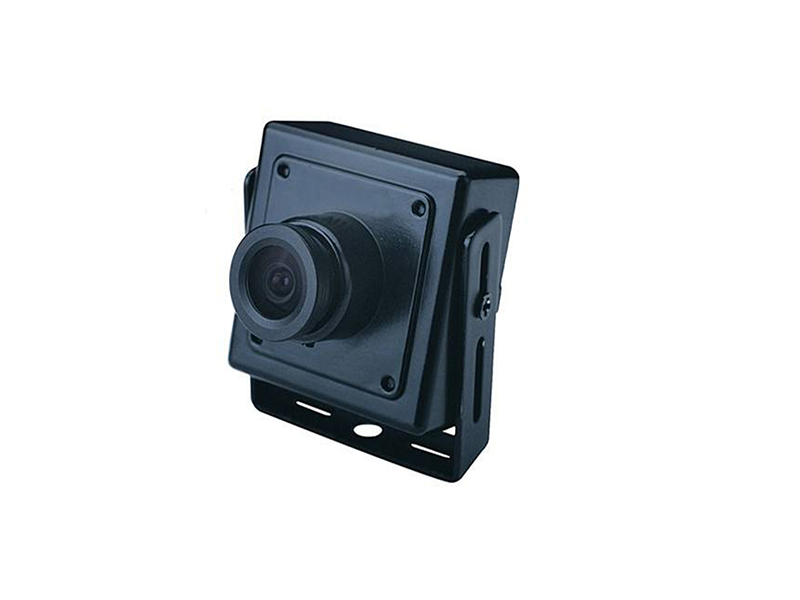
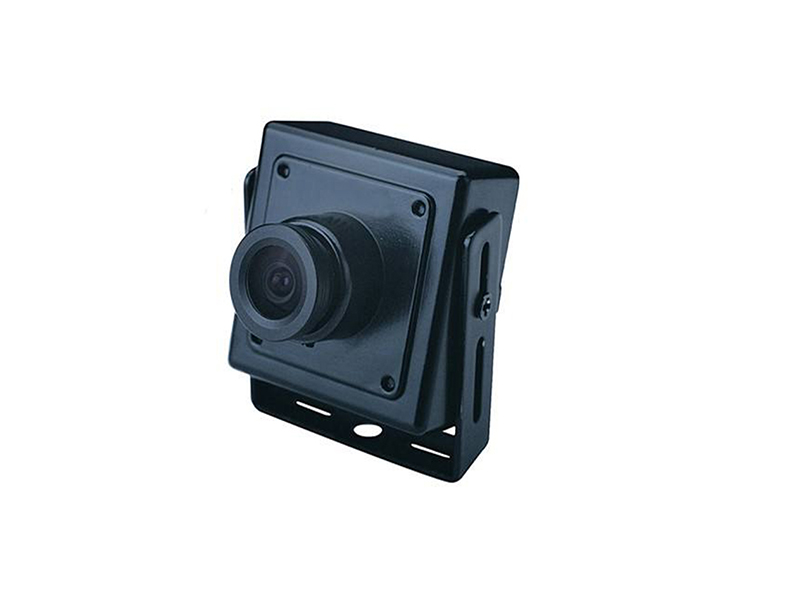
The finished store has 12 points: 4 at checkouts, 1 over the liquor cabinet, 2 at entrances, 3 in the back room and corridors, and 2 at outdoor doors. Checkouts and the liquor cabinet use 30 x 30 mm and 40 x 40 mm starlight miniature coaxial HD cameras, with pinhole lenses hidden behind the ceiling and shelf back panels, looking down at the counter surface from an oblique angle above. Entrance points keep the original positions and brackets and only swap the camera body.
- Checkout: oblique view 30 to 45 degrees above each register, covering the keypad area and the change tray, with timestamp and till number overlaid on the picture
- Liquor cabinet: one point looking down over the whole cabinet, shelf layer edges visible in frame, never facing the glass door head-on
- Entrance: aimed 2 to 3 meters outside the door; during daytime backlight, the area inside the door is the main reading zone
- Back-room corridor: covers only the corridor and storage positions, mostly static picture, bitrate set to the low tier
- Outdoor door: housing rated IP66 or above, mounted clear of the drip line from the canopy overhead
Wiring And Device Hookup
The lines reuse the original coax. Every connector is replaced with a compression BNC, dropping field soldering to cut cold joints. The measured checkout-to-enclosure run peaks at 28 meters; entrance to recorder is 62 meters; coax links stay under 300 meters, with ample margin. Power moves to a centralized 12V supply in the low-voltage box with per-branch fuses, and the scattered adapters near the shelves are removed.
| Stage | Approach | Equipment Category |
|---|---|---|
| Front-end imaging | Starlight miniature coaxial HD cameras at checkouts and the liquor cabinet, unified to PAL at 25 fps | Miniature camera |
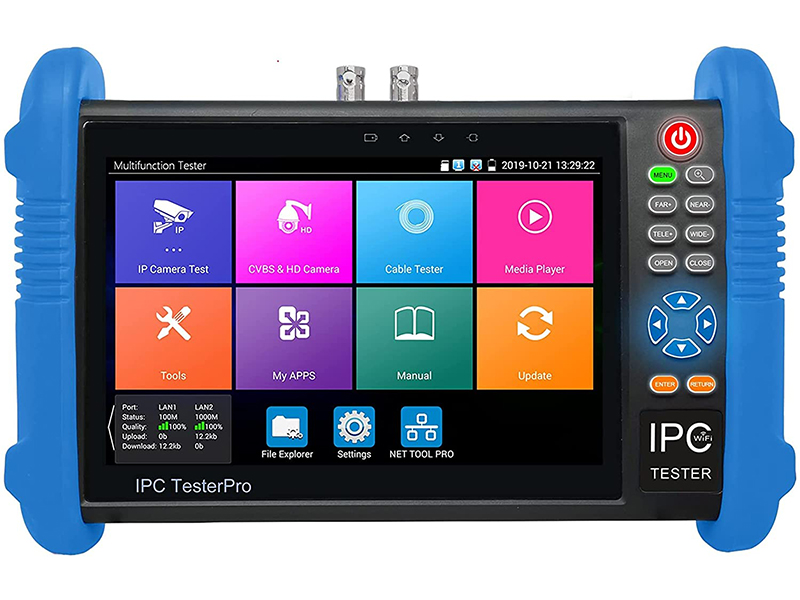
| Line testing | A 7-inch tester connects each line at the far end from the equipment room, judging format and resolution before deciding keep or replace | CCTV tester |
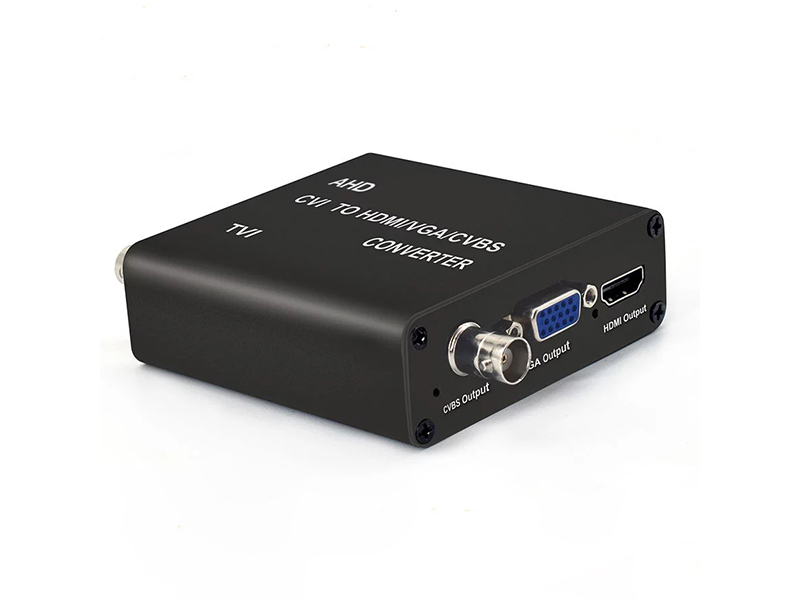
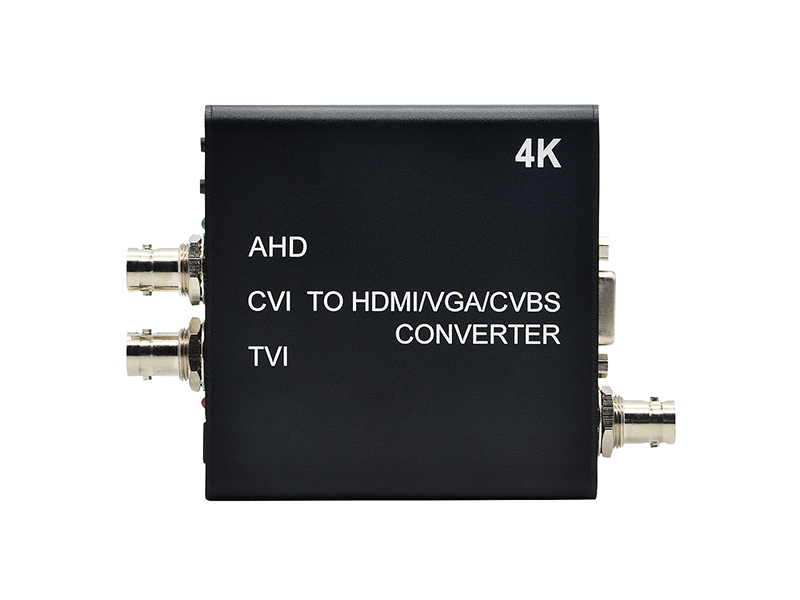
| Signal conversion | A 5MP coaxial HD to HDMI/VGA/CVBS converter at the line end, HDMI into the new recorder | Video converter |
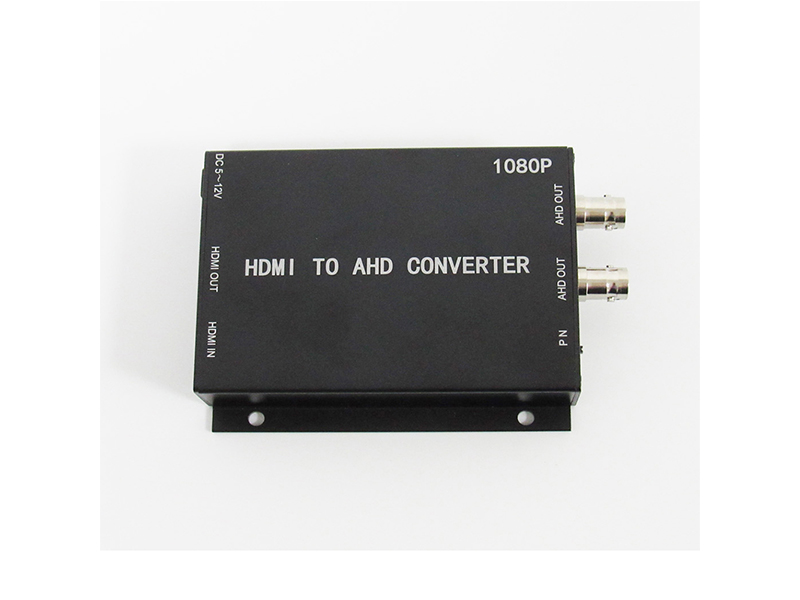
| Mixed transition | Old channels not yet swapped are merged onto the network side through coaxial HD to IP encoders, phased in alongside the new cameras | Video encoder |
| Power and housings | Centralized 12V supply with per-branch fuses; outdoor points get housings with sun shades | Miniature camera |
Commissioning And Acceptance
Commissioning ran in three stages. Stage one tested lines one by one in the equipment room with the tester; lines with washed-out picture or edge jitter were judged as connector or cable damage, re-crimped, then retested. Stage two tuned images: checkouts switched to manual white balance to hold down the yellow from the spotlights, the liquor cabinet lowered fill-light intensity to avoid glass reflections, and entrances set wide dynamic range to mid. Stage three checked recording: estimated at 2 to 4 Mbps per 1080P channel, 12 channels of continuous 30-day recording need about 1.5 to 2.2 TB, filled with two drives according to the recorder bay count.
Acceptance was judged on live actions: three change transactions with different banknote denominations at the checkout, with playback able to separate denominations and hand order; one item taken from the liquor cabinet, with playback showing the take-and-place motion and the item outline; image timestamp held within 2 seconds of the store clock; and after 72 hours of continuous running, every connector rechecked for temperature and looseness.
Next Steps
The 8-channel old recorder kept for phase one retires half a year later, when converters and encoders merge the remaining coax channels into the new 16-channel unit, all without closing the store. Later plans consider one more snapshot point beside the door contact in the back room, and two spare channels are reserved for checkout angle adjustments. For similar stores, request sample units and a compatibility list first, then send the point count, measured coax lengths and current recorder model to info@vctcctv.com so the factory can confirm interfaces and video formats.