
Site Conditions And Goals
The campus holds 4 office buildings and a surface parking lot with 48 original standard-definition analog points on SYV-75-5 coax; trunks run through low-voltage shafts, horizontal sections in ceilings and cable trays, built around 2008. Property management forbids opening walls or floors and will not accept a dead duty screen for long. The retrofit goes in three batches: lobby and surface lot first, then corridors and elevator halls, outdoor points and garage corners last. The goal lifts the trunk areas to 1080P and above, keeps the remaining channels usable, and unifies onto one 32-channel recorder within two years.
Line Health Check And Graded Handling
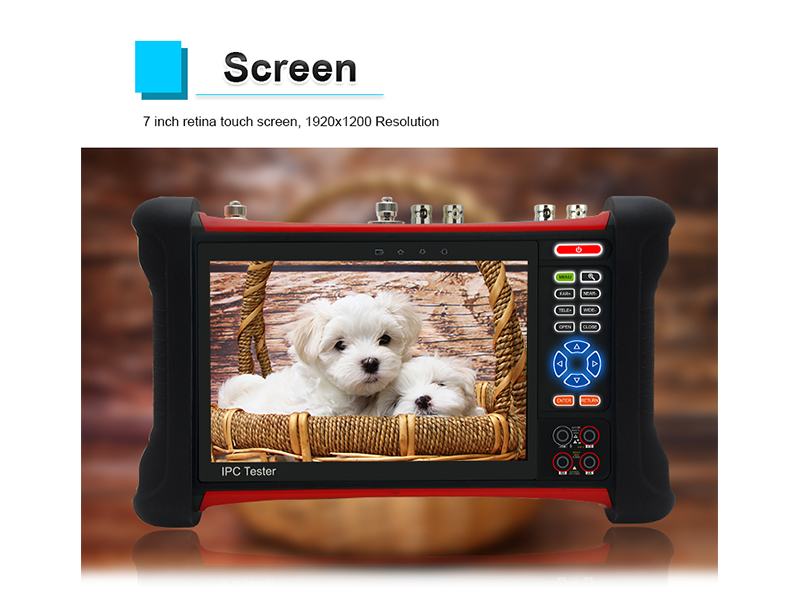
Every line was tested before construction, a 7-inch full-function tester measuring once at the equipment-room end and once at the far end, reading format identification, image quality and line loss, and sorting results into three classes: directly usable, usable after connector replacement, and scrap and rerun as network cable. Most campus coax links sit under 300 meters and remain in usable range; lines with mid-run splices and weak pictures were not stretched further and were scheduled to switch to network cable through the same tray.
| Stage | Approach | Equipment Category |
|---|---|---|
| Line testing | Tester measures both ends once each, records format and attenuation, marks usable versus replace | CCTV tester |
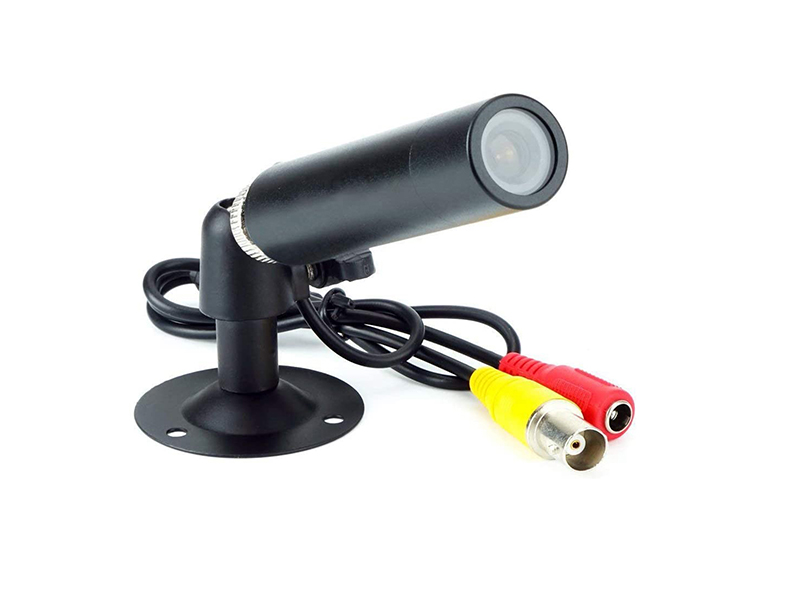
| Front-end swap | Lobby and corridors switch to four-format starlight coaxial HD cameras, positions and brackets unchanged | Miniature camera |
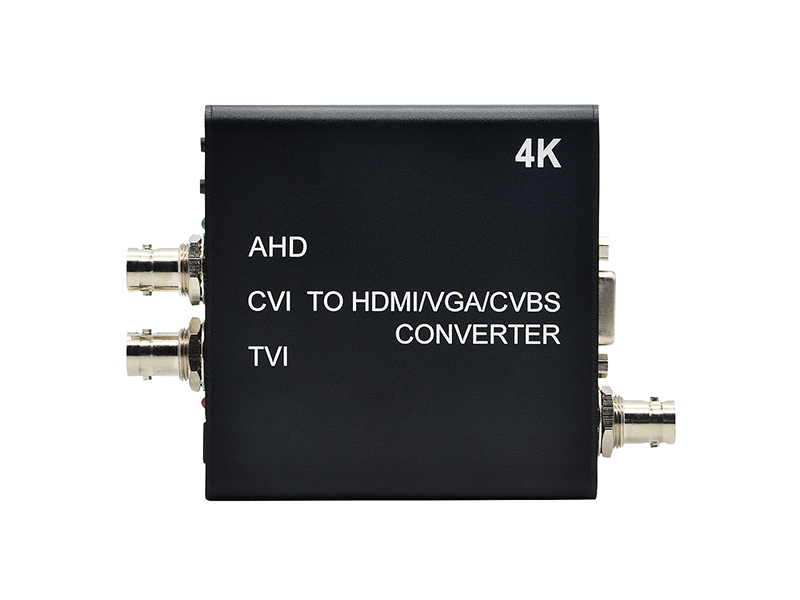
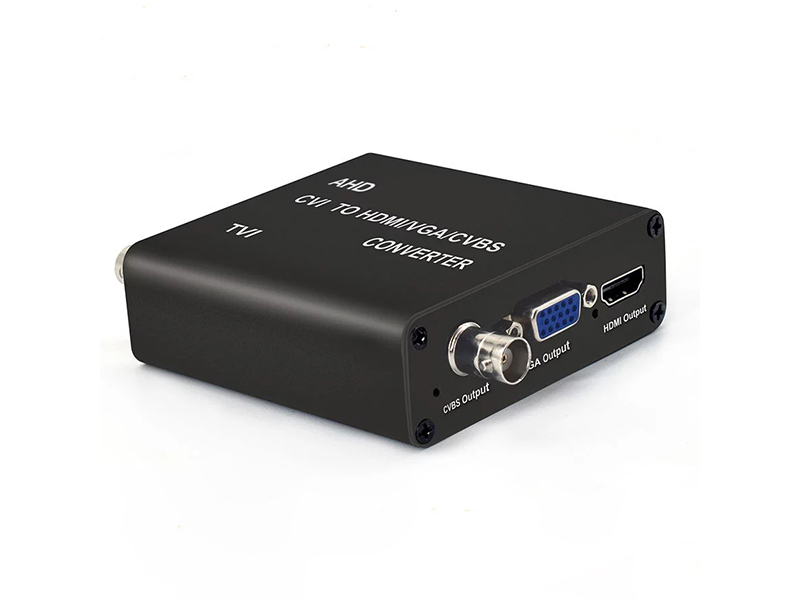
| Equipment-room hookup | Coax pictures pass through 5MP and 8MP converters, HDMI into the new recorder | Video converter |
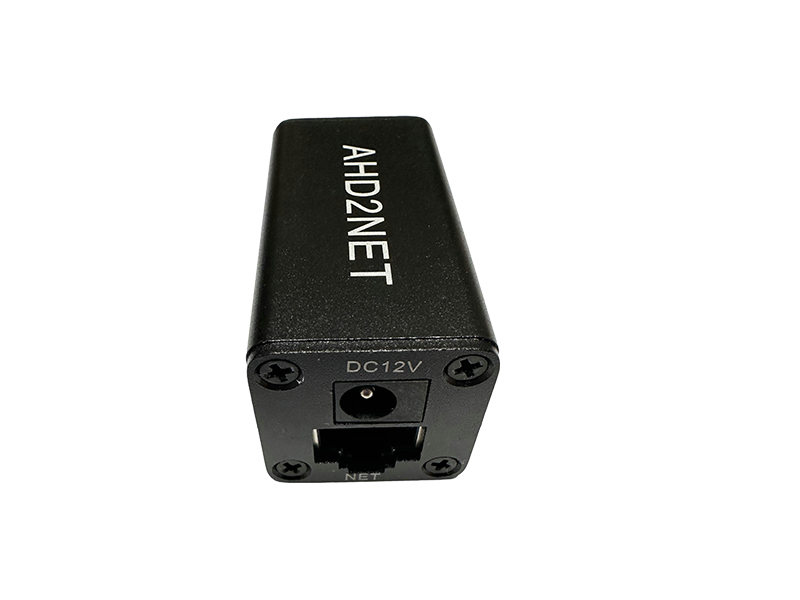
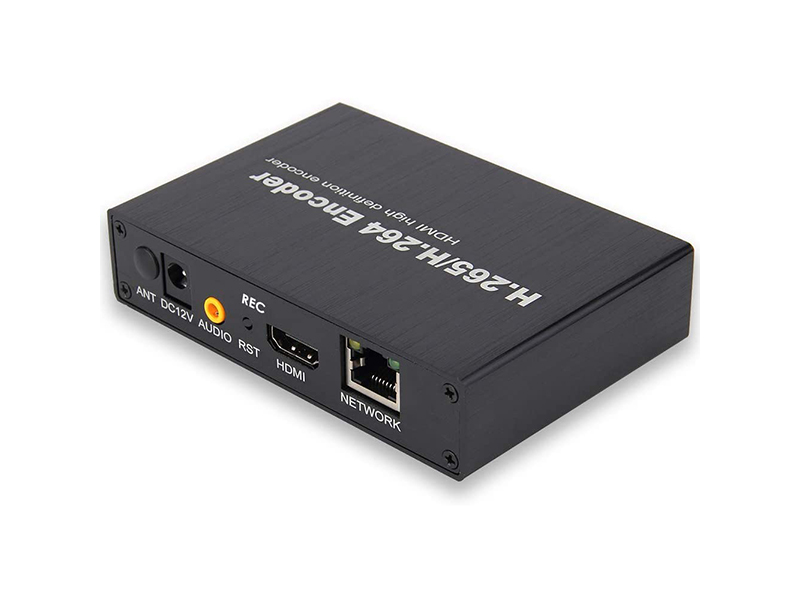
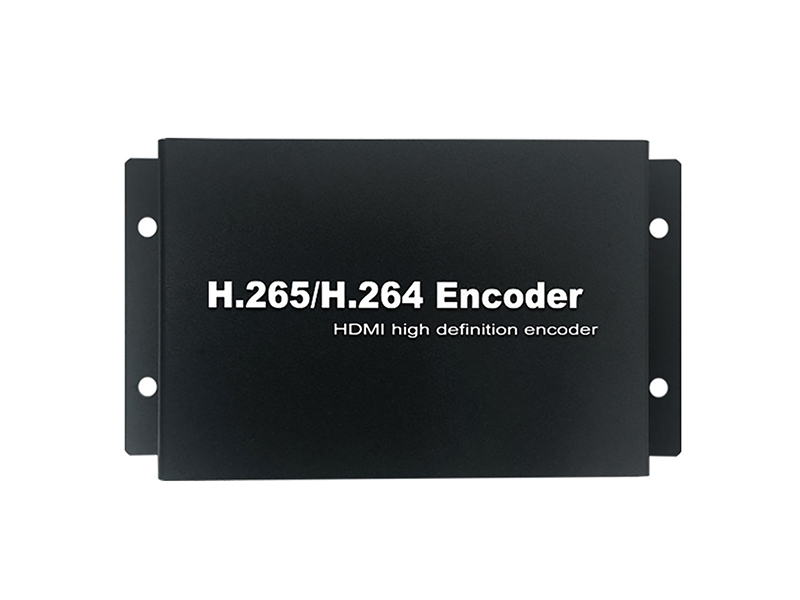
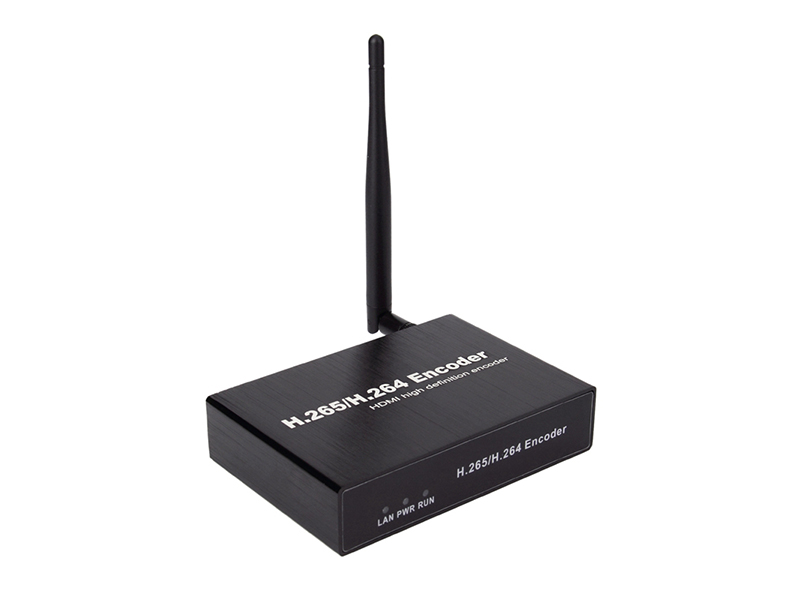
| Old channel bridging | Channels not yet replaced enter the network side through coaxial HD to IP encoders | Video encoder |
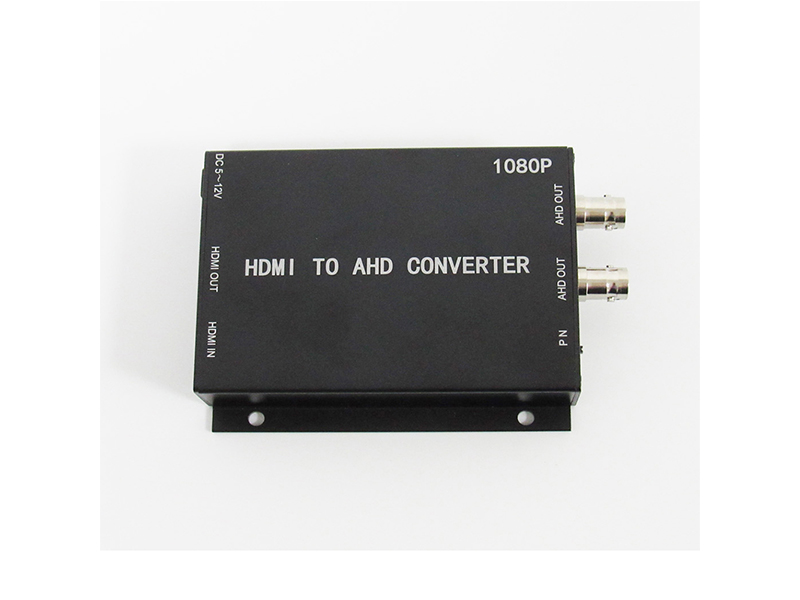
| Duty screen reuse | Recorder HDMI output fed back to the original monitor through an HDMI-to-AHD converter | Video converter |
Phased Construction And Interface Handoff
One batch per week, working nights and weekends; inside a batch, new channels connect and verify the picture before the matching old channel is cut, keeping the duty screen live. Converters and encoders concentrate in the shaft cabinets, which keep 20 percent spare ports and 2U of space; all connectors are compression BNC with channel labels. Outdoor sections add housings and grounding; in lightning-prone areas, network and power each get a surge protection stage. All devices are configured to PAL, avoiding page-flip flicker from mixing with the old NTSC monitors.
Centralized power in the low-voltage shafts groups per building with two spare breaker positions each; ground bars bond reliably to the building steelwork; outdoor wall penetrations get drip loops, and previously leaking holes are re-sealed with sealant. Before pulling wires, the old recorder's channel map is photographed for archive, each channel annotated with front-end position and power polarity so nothing is unrecoverable after teardown. At the end of each batch, that batch's channels are renamed on the recorder, ordered by building number, floor and orientation.
Commissioning And Acceptance
After formats are unified, frame rates are checked: every channel at 25 fps, so channels do not differ in motion cadence on the recorder. Resolution and bitrate are set by tier: lobby and corridor 1080P channels at 2 to 4 Mbps, outdoor wide-view channels at a higher tier; 32 channels over 30 days need about 8 to 14 TB, split into two groups across the bays. The garage section is read at night against headlight backgrounds; corridors are read on faces and badge areas. After each batch, 72 hours of continuous running, all connectors rechecked and 20 percent of points retested by sampling.
Spot checks compare the recorder channel number, the floor plan and the physical point, three ways; naming mismatches are fixed within the batch instead of carried to handover. Once all coax runs are re-crimped, the tester rechecks the picture at the far end and files it, forming a before-and-after set with the pre-construction records as the basis for judging line quality in later batches.
Next Steps
After batch three, the trunks start converting to network cable with PoE, the centralized power boxes go away, and the coax stays as a backup route carrying no main picture. Before the old 16-channel recorder retires, encoders move its still-valuable channels onto the network side step by step. Spares per batch: 1 converter and 2 encoders. For similar campuses, request sample units and a compatibility list first, and send the line type, measured lengths and current recorder model to info@vctcctv.com, letting the factory confirm interfaces and formats before scheduling batches.