
Site Conditions And Goals
The depot covers about 15,000 square meters, parks 80 to 120 standard bus spaces at night including 24 EV charging spots, has two entrances, and is separated from the municipal road by over 300 meters of hoarding. Local summers and winters swing wide in temperature: daytime ground surface runs hot in summer, winter nights sit low in illuminance with dust, and the hoarding line has no standing lighting. The operator asked for three things: people and vehicles identifiable at night, temperature anomalies caught early in the charging area, and perimeter pictures sharing one recorder with the dispatch room.
The dispatch building and the perimeter sit across the whole parking field; the original cable trench was rerouted twice during the 2019 road works and some pipe mouths now lie under concrete, with usable sections concentrated on the east side and the south end. Streetlights beyond the hoarding sit at uneven spacing, night illuminance moves between 5 and 20 lux, and the same point looks very different in the first and second half of the night, so selection is set by the darkest period.
Camera Layout
About 20 channels station-wide, perimeter and parking areas taking the bulk, charging-area temperature points grouped by charging pile positions, and the maintenance trenches getting observation only.
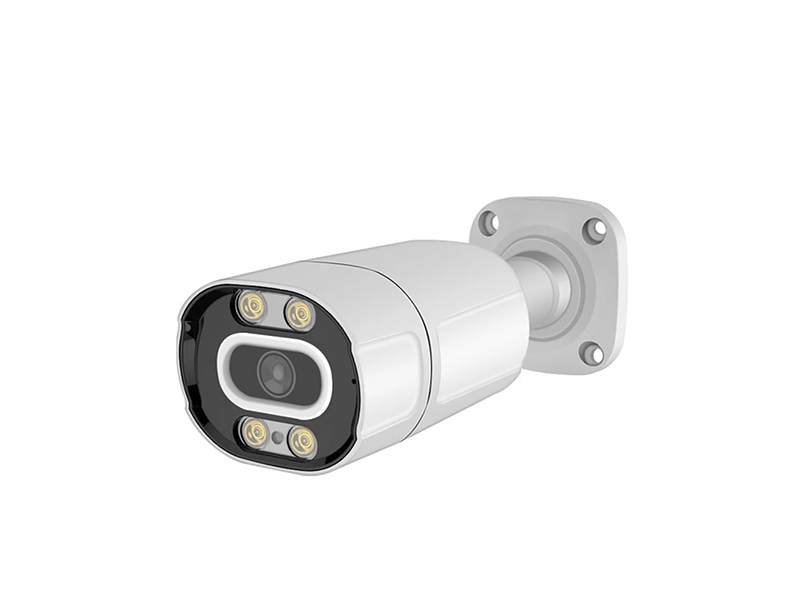
- Gates and in front of the dispatch building: 4 to 6 units of 3MP starlight waterproof models covering the barrier and the staff walkway
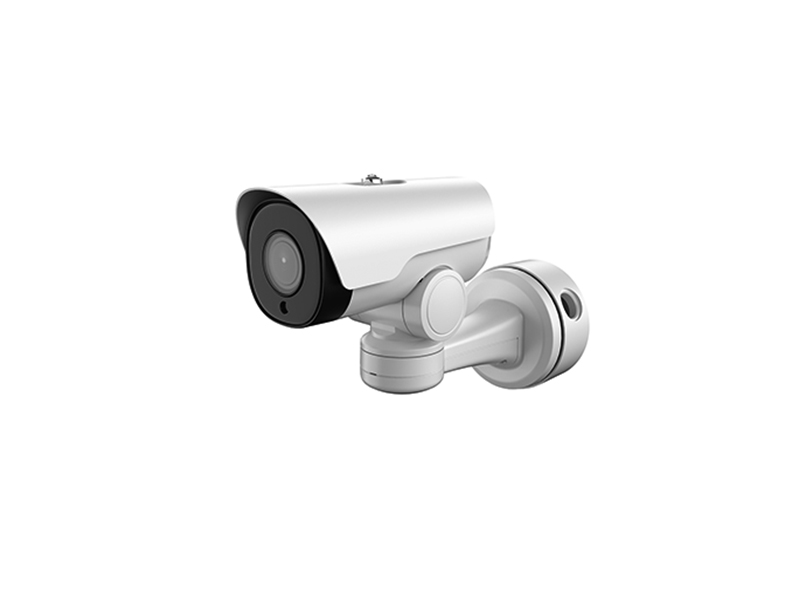
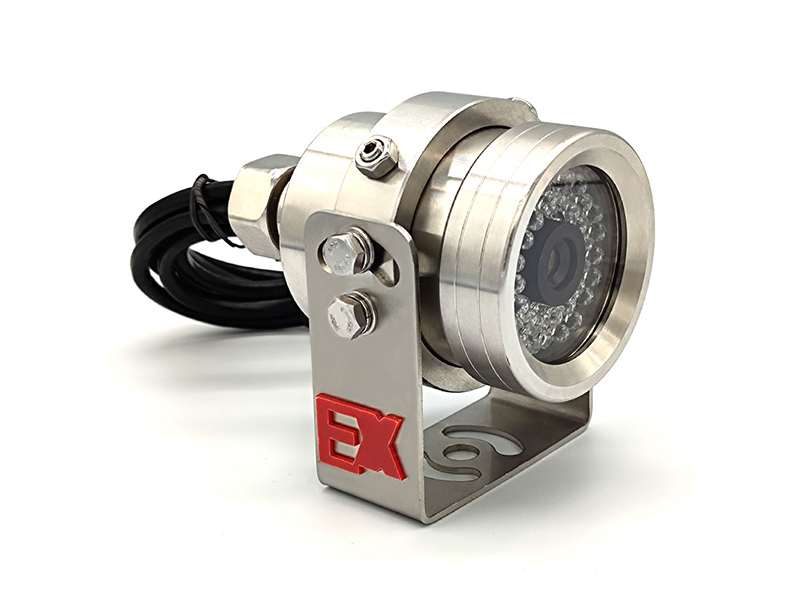
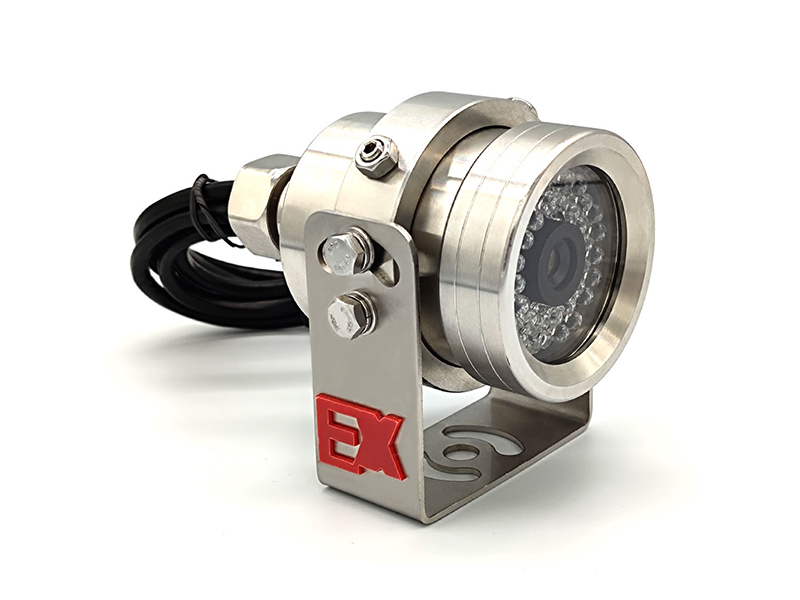
- Perimeter and hoarding: 8 to 12 units of 8MP starlight fixed-focus waterproof bullets, corners and long runs filled in by 10x motorized zoom units
- Parking inspection columns: 6 to 10 channels covering the fleet numbers on bus fronts and the main aisle
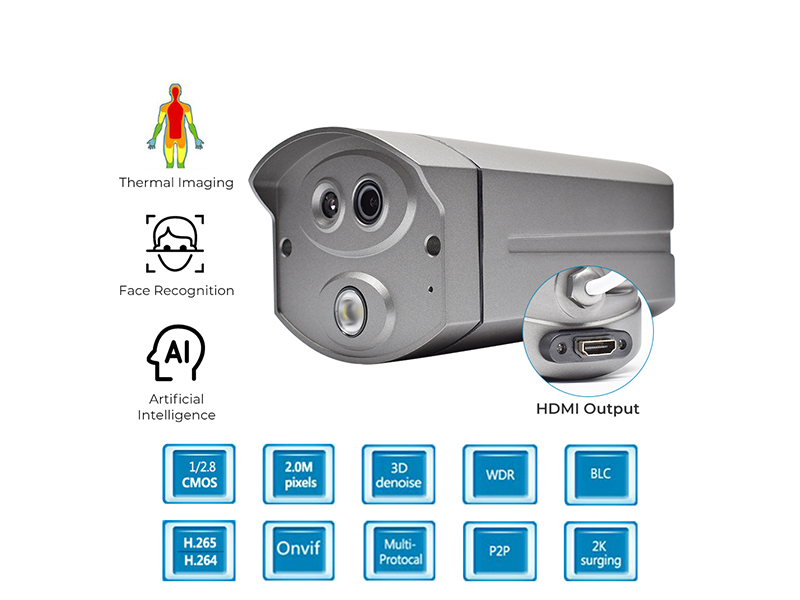
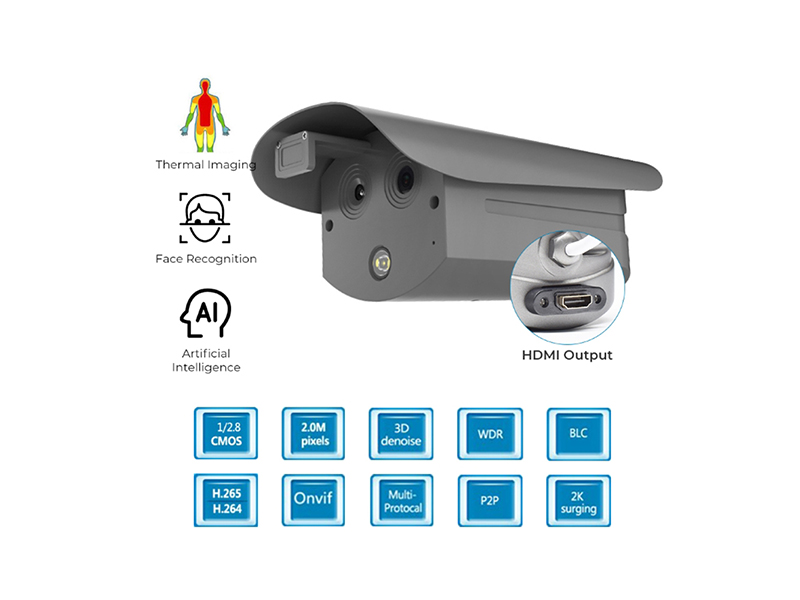
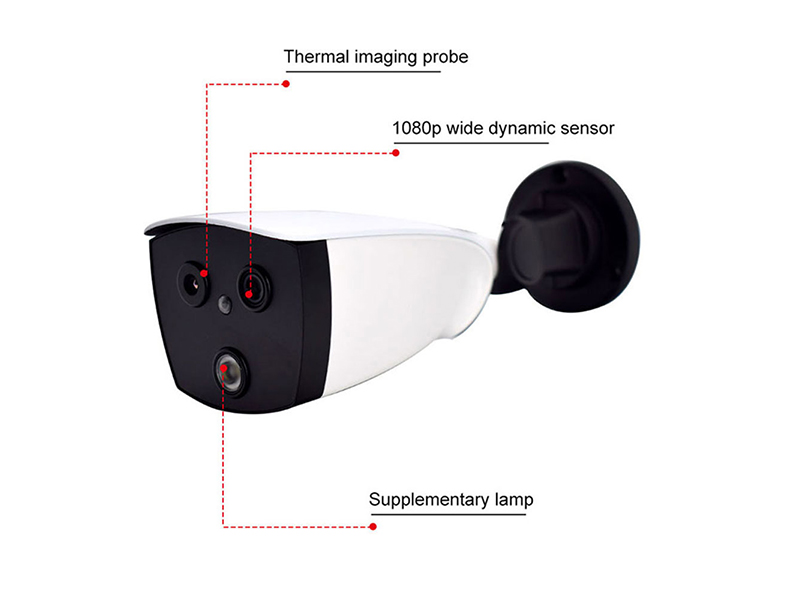
- Charging area: 2 to 4 dual-spectrum temperature-measuring thermal cameras, aimed at the pile side and the battery compartment end of the vehicles
- Maintenance trenches: 1 to 2 starlight miniature coaxial HD units, brackets independent of the trench covers
Wiring And Device Hookup
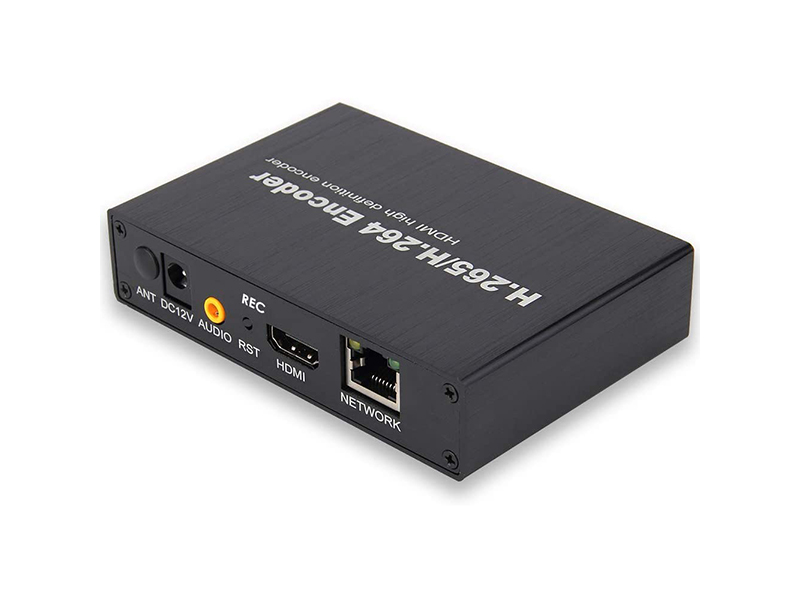
Outdoor wiring reuses the existing cable trenches with galvanized conduit protection; the trunk runs on fiber split into two zone cabinets, each holding PoE switches and a UPS, every network cable link under 90 meters. Thermal cameras' HDMI output connects nearby to 1080P H.265 HDMI network encoders mounted on the cabinet, sharing one time base with the network cameras. On lightning-prone sections every channel gets two-stage network and power surge protection; in winter, housing condensation is handled with heating and sealing; dusty sections get lens and air-intake cleaning monthly.
| Stage | Approach | Equipment Category |
|---|---|---|
| Perimeter imaging | 8MP starlight fixed-focus waterproof bullets, alternating along lit and unlit sections | Network camera |
| Blind-spot cover | 8MP 10x motorized zoom units at corners and inspection aisles, presets set by day | Network camera |
| Temperature monitoring | Dual-spectrum thermal cameras outputting thermal and visible-light pictures together | Thermal imaging camera |
| Network entry | 1080P H.265 HDMI encoders to the cabinet switch, timestamps unified | Video encoder |
| Field testing | 7-inch tester checks network address and ONVIF while retesting the format on coax runs | CCTV tester |
Commissioning And Acceptance
Temperature channels read against a blackbody, deviations logged channel by channel as the baseline for later trend comparison; charging-area pictures grouped by pile position display side by side on the dispatch screen. Person identification is tested 30 meters outside the hoarding at night, tuning the fill-light and shutter combination rather than just raising gain. Storage tiers at 2 to 4 Mbps per 1080P channel and 8 to 12 Mbps per 8MP channel; 20 channels over 30 days need about 5 to 9 TB, split into two groups by recorder bays. After 48 hours of continuous running, all connectors and the cabinet equipment temperatures are rechecked.
On the perimeter sections the fill-light and shutter combination is fixed before the identification test, and one gain level is never shared across day and night; daytime exposure drops so the bus fleet numbers do not blow out. The inspection-area reading standard is a legible bus front number, since dispatchers look up playback by number in the duty room, so point names match the parking numbers and new bays extend the naming the same day. Before winter, housing seals and heating parts get one check, and lens cleaning on dusty sections enters the weekly routine.
Next Steps
New bus bays and charging piles attach to the nearest zone cabinet within the existing zones, with four channels and two power circuits reserved. Spares: 2 encoders, 1 PoE switch, and 2 same-model power supplies; the pre-winter inspection adds lens cleaning and seal checks as standing items. For similar depots, provide sample units and a compatibility list first, and send the point count, line lengths and current recorder model to info@vctcctv.com.