
Batch preparation, 48 hours of power-on aging, live-image rechecks and nonconforming-unit handling at the Shenzhen plant, applied to small orders and returned repairs alike.
Batch Preparation Before the Aging Racks
Every batch of coaxial HD cameras goes through a whole-unit aging test before reaching the packaging station. For the pinhole and miniature series scheduled recently, the board cameras pair a 1/3 inch SONY IMX307 sensor with a Nextchip 2441 main controller, and one board can switch between AHD, TVI, CVI and CVBS outputs from the OSD menu. The aging racks are zoned by model, each slot carries a batch card with the part number, quantity and start time, and the staff on duty register against the card.
Before the racks, appearance and interface checks run first: whether the BNC connectors are crimped properly, whether cable lengths match the order, whether M12 lens mounts are secured, and whether the silkscreen matches the drawing. Orders of 200 to 500 units are inspected in full; sample orders of up to 50 units are spot-checked per the work order, with items and ratios signed off by the workshop supervisor on the traveler card and archived with the batch paperwork, so nothing is lost in verbal handovers.
48-Hour Power-On Aging and Due-Date Live Checks
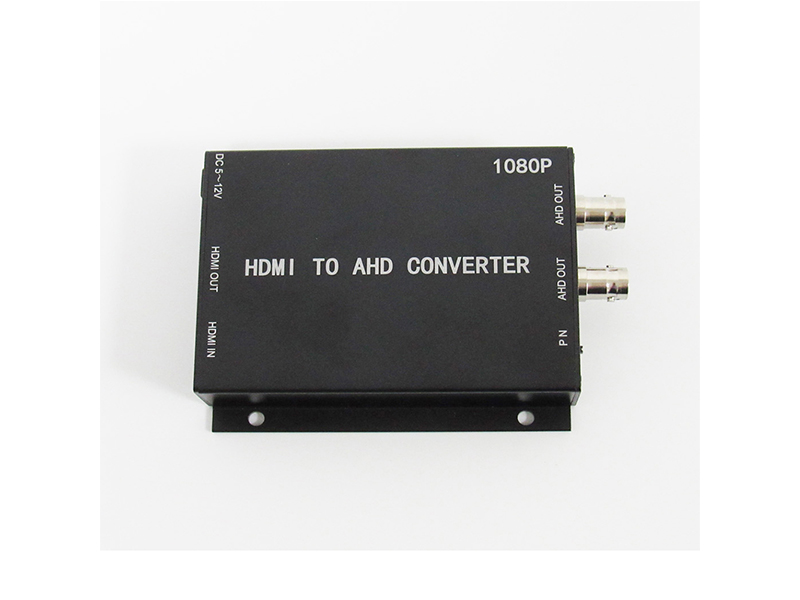
The aging racks use centralized 12V power, one unit per slot, with spacing between neighboring slots for heat dissipation. Cameras output image continuously on the rack; the front end runs through a 5MP coaxial HD converter to a monitor, and the staff on duty walk the racks every two hours, recording only four findings: no image, color cast, rolling image, and abnormal day-night switching. Units with anomalies come off with a red tag and never go back on the rack; problem units sit in a separate analysis area for technicians to diagnose.
Aging duration follows the quality management system: 48 hours of continuous operation at room temperature. At the due time each unit gets a live check: first aim at a detail card three meters away and compare the resolution at the center and the corners; then switch off the lights and run the filter change once, confirming color and black-and-white behavior at low light and a clean switching action. The video standard is preset per order: European orders default to PAL 25fps, American orders to NTSC 30fps, and the presets are recorded on the recheck sheet.
Recheck Items and Record Keeping
Rechecks are registered item by item, with a paper sheet and an electronic log stored separately, and the inspection report shipped with the goods is printed from the log. When rework keeps occurring at the same position, the process engineer writes the corrective requirement into the work instruction for the next batch and verifies it during first-article confirmation. The table below lists the fixed entries of the recheck log at this stage.
| Check item | What is checked | How it is recorded |
|---|---|---|
| Image output | No blank screen, no reboot and no rolling within 48 hours | Tick per slot on the aging rack patrol sheet |
| Standard and frame rate | PAL 25fps or NTSC 30fps matches the order | Live-check records and OSD setting screenshots |
| Day-night switching | Filter action seats fully, no visible color shift after switching | Abnormality number logged for each unit |
| Cables and connectors | Cable length, BNC crimping, silkscreen content | Checked against the work order and signed before shipment |
| Appearance and structure | No housing scratches, no loose lens mount, seal rings in place | Spot-check records on the appearance inspection sheet |
Small-Batch Custom Orders and After-Sales Spares
The same aging and recheck flow applies to small batches and sample orders. Samples are usually 3 to 5 units, running the same line with the same forms, and only the patrol frequency is adjusted per work order. Custom units that change lens focal length, IR board configuration or cable length get an extra structure confirmation before going onto the aging rack; photos of the confirmed sample are attached behind the work order and used for verification during volume production.
Units returned under warranty rerun the aging test after repair and ship back only on a pass, with the repair items noted on the return slip. The Shenzhen plant keeps standing stock of power adapters, main boards and lens assemblies, supplied by batch. To confirm the power specification and aging requirement for a specific model, email info@vctcctv.com for a sample inspection sheet, or call +86-755-28146081 with the use case and order quantity.