
Site Conditions And Goals
The sorting center's conveyor runs about 120 meters with 3 drop chutes, 2 reject gates and 4 scan points; the continuously running belts bring vibration and dust, the night shift works from 22:00 to 6:00 the next day, and disputes over abnormal parcels need picture evidence. Mounting space on site is small, rack square tubing is exposed, and drilling for brackets is not workable. The goal: replayable detail at the key openings, instant current state visible at the station, and no impact on automatic sorting or the scanning system.
Power takes only the two 12V auxiliary circuits from the line-side cabinet; video gear runs on its own circuit fed centrally from the cabinet side, never tapped from the sorter control circuit. Night lighting is lower than daytime, and drop-chute interiors see almost only the scanner's fill light, so the imaging chain is selected for the lowest night illuminance, not chosen on daytime conditions and patched later with extra light.
Camera Layout
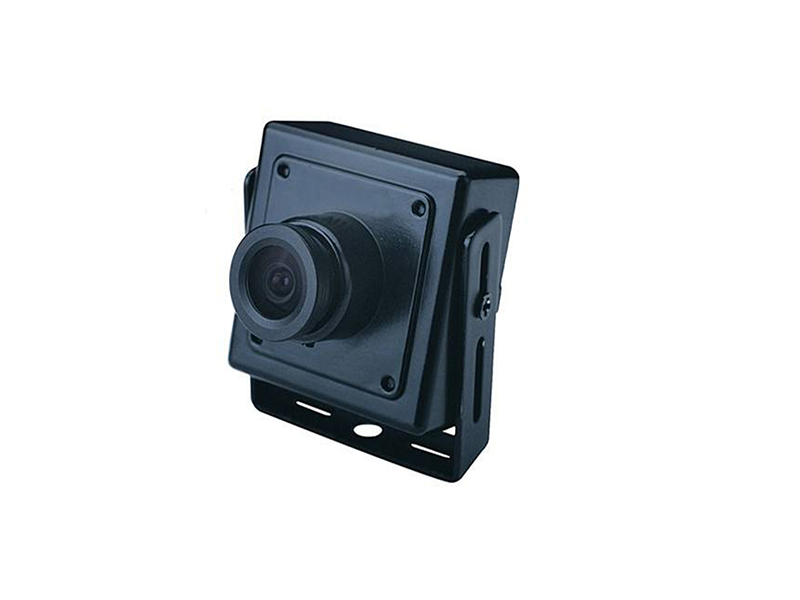
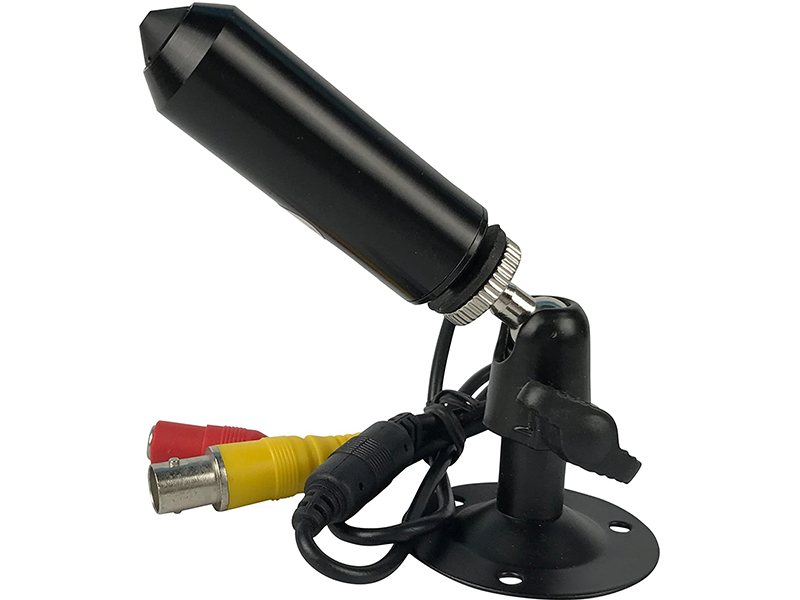
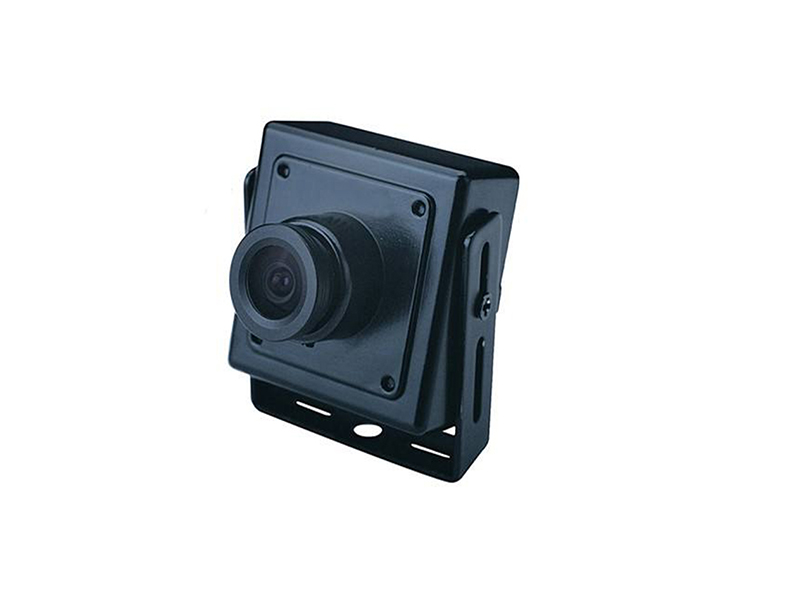
The line has 18 points in total: miniature points laid out opening by opening, 12 to 20 units, with 30 x 30 mm and pinhole models inside the space-limited drop chutes; the 4 key openings add 5MP starlight miniature units; one panorama at each end of the line. Miniature units strap onto the rack square tubing, lenses aimed 20 to 35 degrees down toward the belt face, clear of the scanner's fill-light direction.
Scan points get extra light only, no camera, avoiding conflict with the scanner's field of view; each of the two reject gates uses two channels, one on the parcel entering and one on the flap action; the miniature points inside drop chutes face down at about 30 degrees, keeping the moment a parcel lands in the middle of the frame rather than at the edge.
Wiring And Device Hookup
All connectors are locking BNC; troughs leave 300 mm of slack at conveyor corners to cut fatigue breaks under long-term vibration. Miniature units never mount to the machine body, so vibration sources are not conducted into the lens and shaking the picture.
| Stage | Approach | Equipment Category |
|---|---|---|
| Station imaging | 5MP starlight four-format miniature units, unified to PAL, strap-mounted on independent brackets | Miniature camera |
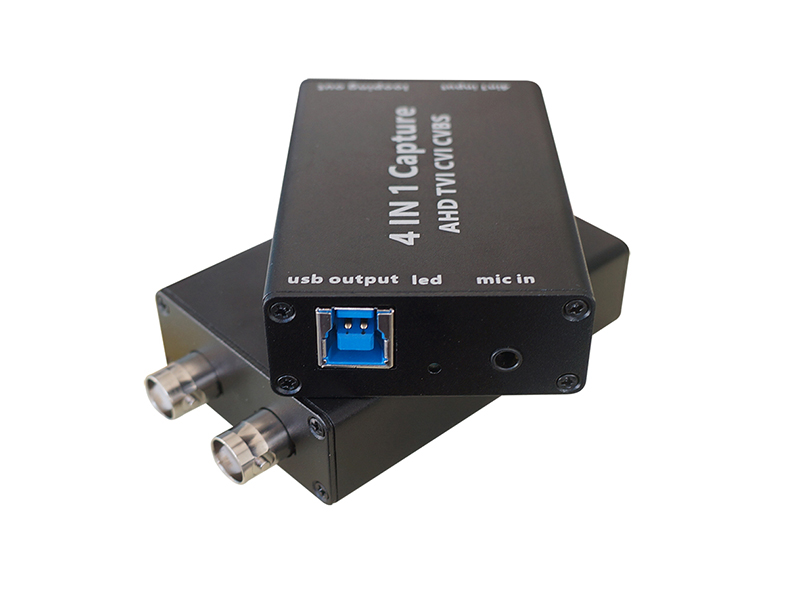
| Picture into station PC | AHD/TVI/CVI/CVBS to USB 3.0 capture cards, two channels per card, labeled by station number | Video and audio accessories |
| Recording archive | Key opening pictures go HDMI into a 16-channel recorder through a 5MP converter, kept for 15 days | Video converter |
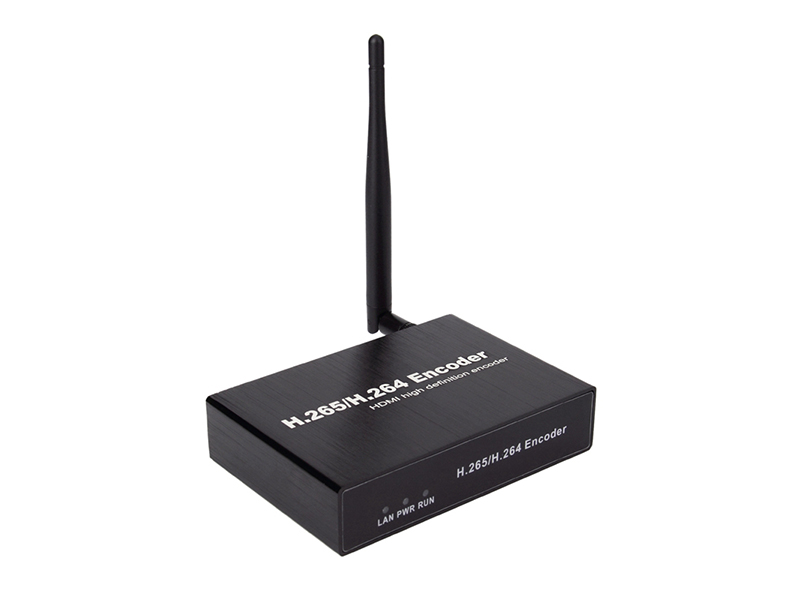
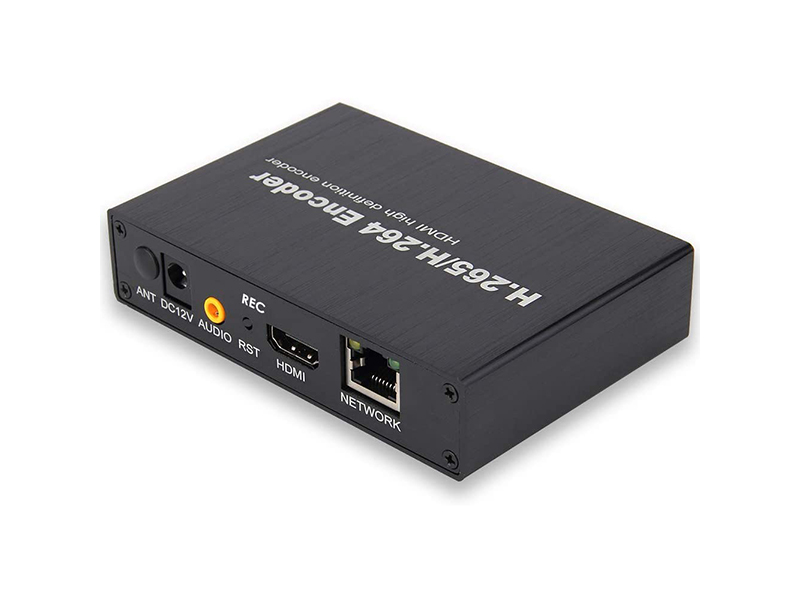
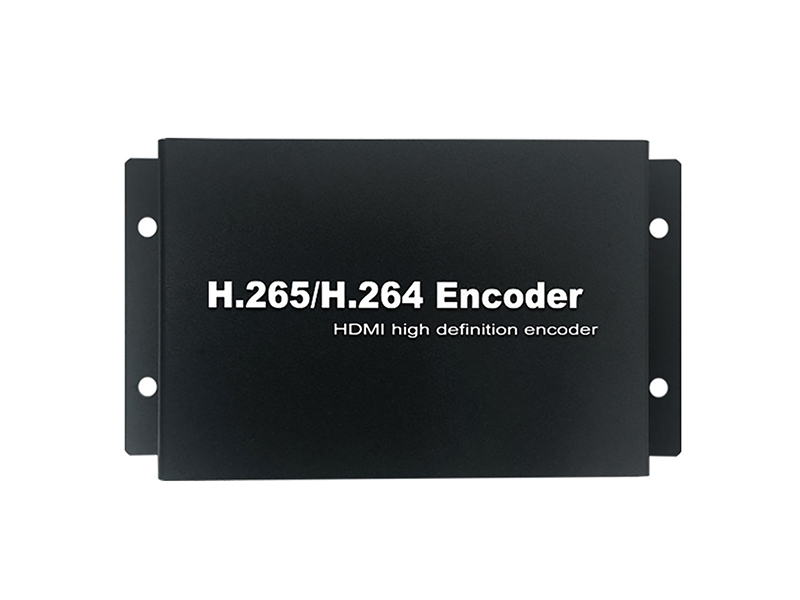
| Mobile patrols | A 1080P wireless H.265 HDMI encoder pushes the duty-room picture to patrol tablets | Video encoder |
| Power and separation | Centralized DC 12V with per-branch fuses, video and power cables in separate troughs spaced 100 mm or more | Miniature camera |
Commissioning And Acceptance
Format and frame rate go first: the whole line at PAL 25 fps, avoiding mixed NTSC 30 fps devices that drop capture-card frames. Motion blur at belt speed is held down with the fill-light and shutter combination, not by raising gain, so noise stays down in the dusty night sections. Station software and recorder timestamps align within 2 seconds.
Acceptance replays 20 simulated abnormal parcels; passing means playback shows where the parcel sat on the belt and whether the reject action fired. Key opening pictures stay readable at 8x zoom without unreadable blur. Dust-zone lenses get an air-blow clean every shift, and housing seals and strap torque get a weekly check. Estimated at 2 to 4 Mbps per 1080P channel, 18 channels over 15 days need about 2.6 to 5.2 TB.
Station-software snapshots map one to one to recorder channel numbers, with the lookup table stuck on the capture box lid. Each opening's camera angle is reconfirmed under night conditions; points wrapped up after day-shift tuning usually run dark under night lighting. Reject gates run one batch of empty and one batch of loaded parcels, confirming the frame shows the order of parcel and flap action, so disputed replays need no inference.
Next Steps
When the line extends, add points at the same format and lens spec, reserve capture-card channels and industrial PC USB ports ahead of time, and reuse the existing strap-bracket style for new points. Spares: 3 miniature units, 2 capture cards, and 1 converter. For OEM needs, firmware can preset format, brightness ceiling and image parameters, with full-machine burn-in and pre-shipment recheck completed at the factory. For similar sites, request sample units and a compatibility list first, and send the point count, line length and current recorder model to info@vctcctv.com.