
Site Conditions And Goals
The plant covers about 32,000 square meters with over 400 meters of perimeter wall, and production is split into rough processing, cooked food and cold storage lines. The cooked-food area is pressure-hosed at the end of each shift; cold storage runs at 0 to 4 degrees with condensation; the electrical distribution room and boiler room are daily inspection points. The plant had a batch of 16-channel analog recorders and some coax lines; the owner wanted everything under one recorder, people identifiable on the perimeter at night, and access split by area.
Plant roads and the unloading area share traffic, so work avoids the two concentrated morning and evening unloading windows; the low-voltage shaft is on the office building side, about 130 meters horizontal to the farthest workshop, beyond a single network-cable link, so that run goes on fiber. The old 16-channel recorder's drive bays are already full, so expansion cannot add drives and can only move some channels onto a new unit.
Camera Layout
About 40 channels plant-wide, laid out in four classes by environment, with each model concentrated in one environment class so a single workshop never mixes two protection ratings.
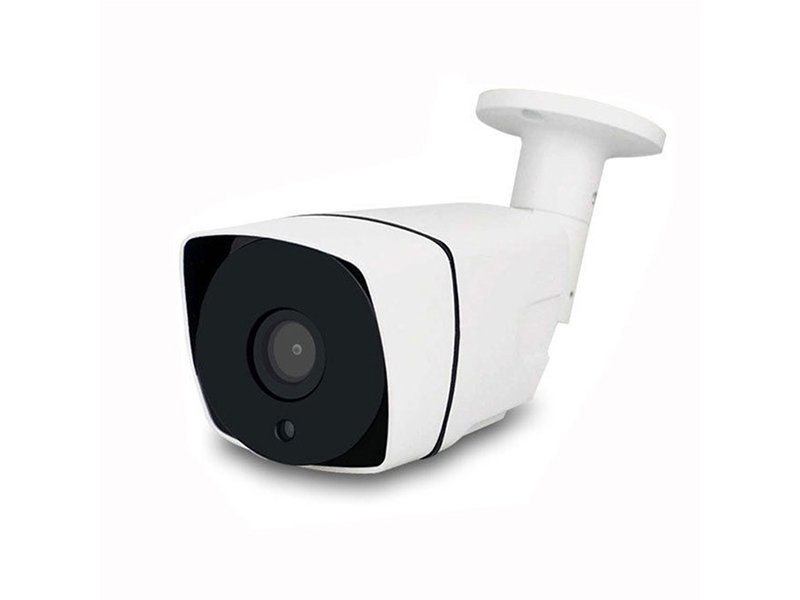
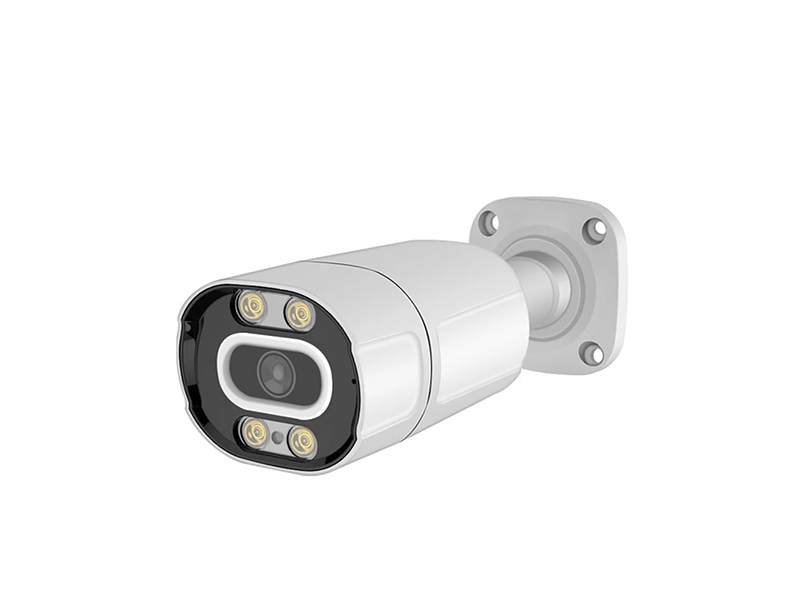
- Perimeter wall: 8 to 12 units of 8MP starlight fixed-focus waterproof bullets, lit and unlit sections alternating, two crossing covers at the main gate
- Workshop corridors and rough processing: 12 to 16 units of 3MP waterproof domes, brackets and housings in stainless steel parts
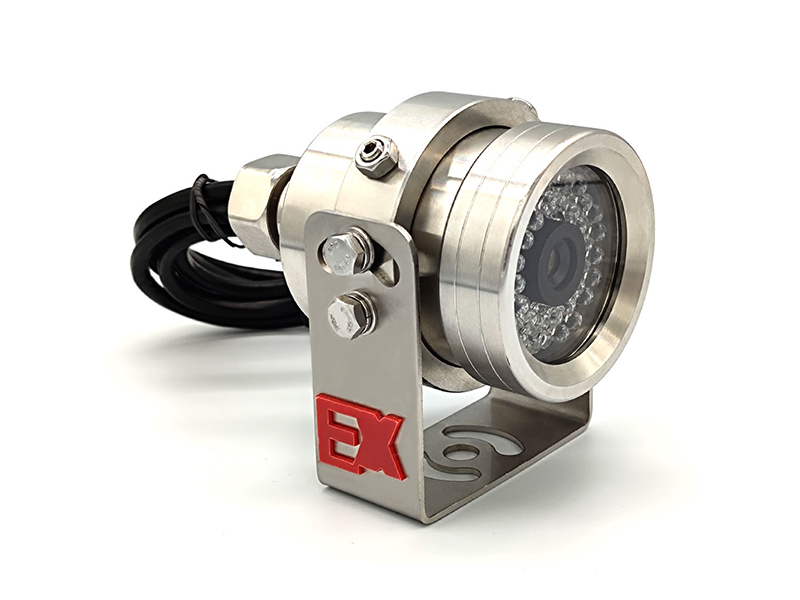
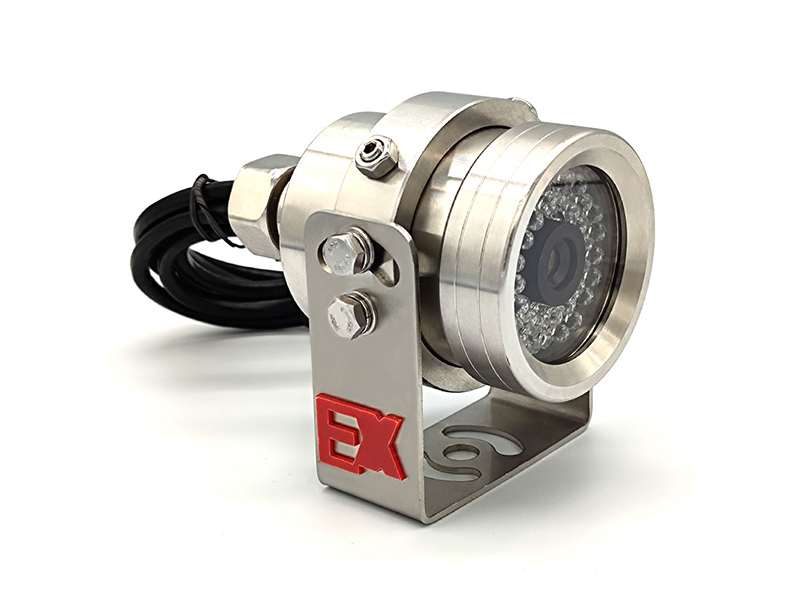
- Wash-down and dusty areas: 3MP to 5MP IP68 starlight protected models, junction box facing down to avoid water pooling
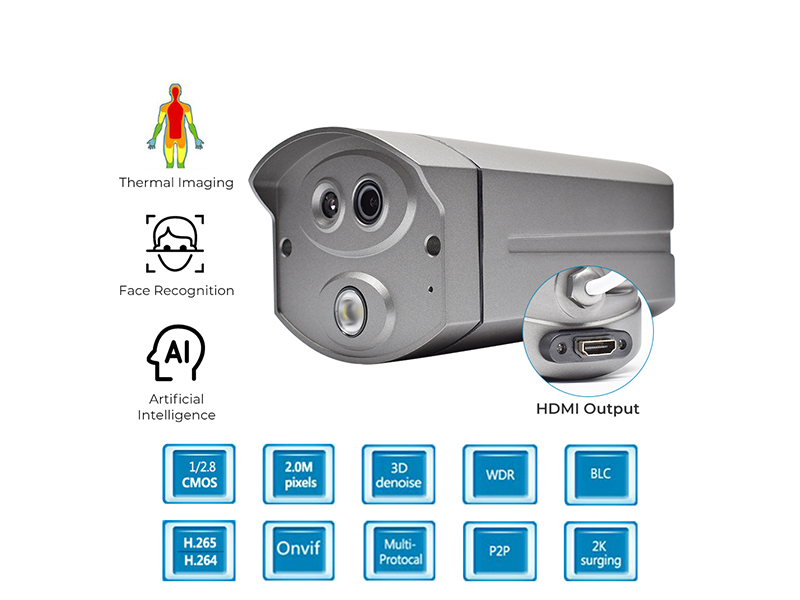
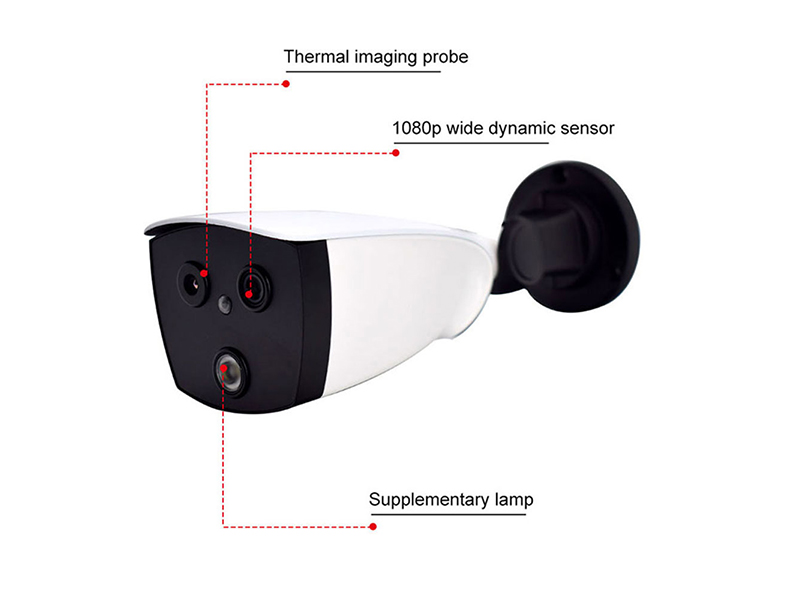
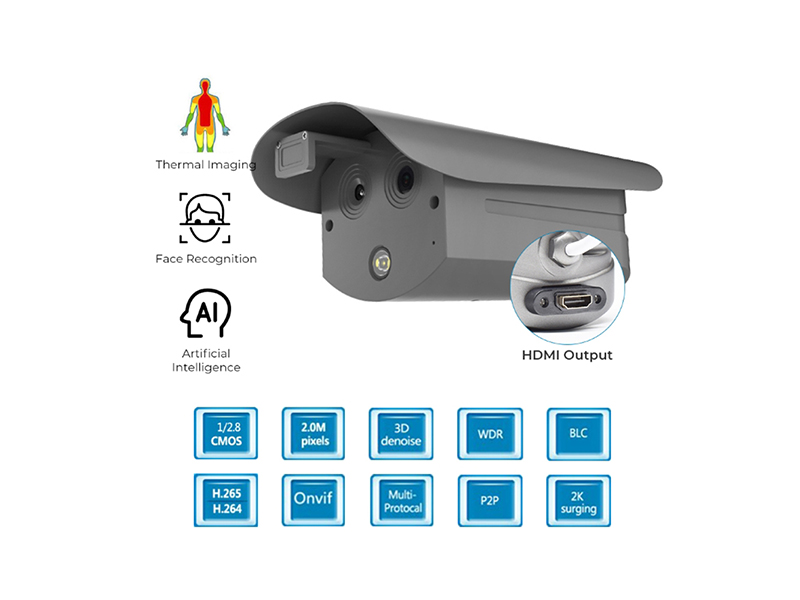
- Electrical distribution and boiler rooms: 2 to 4 dual-spectrum temperature-measuring thermal cameras, daily temperature trends kept together with the visible-light picture
- Gates and loading dock: 4 to 6 channels covering vehicle flow and people flow on two separate paths
Wiring And Device Hookup
Horizontal cabling is mostly network cable, PoE links kept within 90 meters, longer runs on fiber with media converters back to the equipment room; perimeter and workshops each group by zone on 8-port or 16-port PoE switches, with UPS in the equipment room for the switches and the recorder. Thermal cameras' HDMI output goes through H.265 1080P HDMI network encoders into the recorder, sharing one time base with the network cameras. Usable coax points from the old plant merge in through coaxial HD to IP encoders without relaying. Power runs on independent circuits, and cold-storage lines and junction boxes get anti-condensation treatment.
| Zone | Hookup | Equipment Category |
|---|---|---|
| Perimeter | Fiber into zone cabinets, PoE switches in the cabinet feed power nearby, poles grounded separately | Network camera |
| Wash-down area | IP68 models with downward junction boxes, cable through galvanized conduit, pipe ends sealed | Network camera |
| Electrical distribution and boiler rooms | Thermal camera HDMI into the network through an encoder, readings and pictures archived together | Thermal imaging camera |
| Retained coax runs | Coaxial HD to IP encoders at the far end merge channels onto the network side | Video encoder |
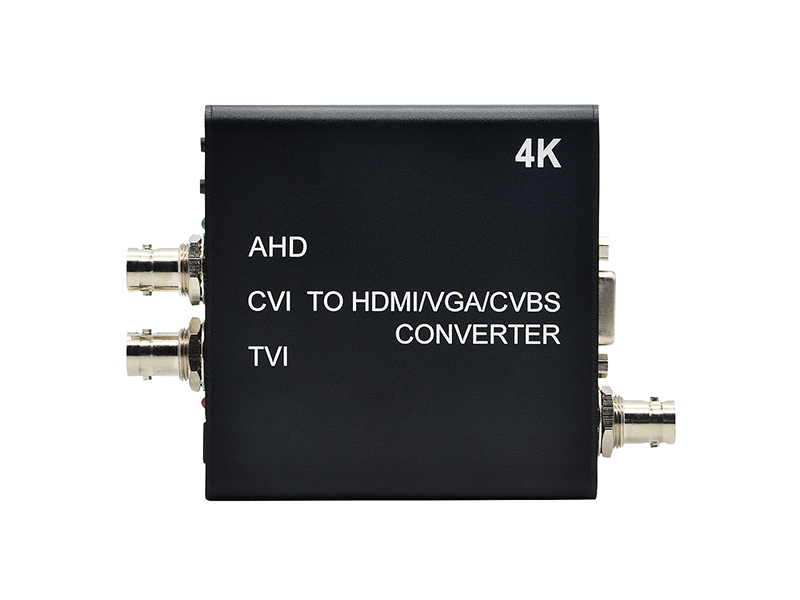
| Old duty screen | Recorder HDMI output fed back to the original monitor through an HDMI-to-AHD converter | Video converter |
Commissioning And Acceptance
Commissioning uses a 7-inch tester to check network address assignment, ONVIF connectivity and image quality on site; coax runs are format-tested before the encoder connects. At night, person identification is tested 15 to 20 meters outside the wall, tuning the fill-light and shutter combination. Temperature points are read against a blackbody, deviations recorded channel by channel on the acceptance sheet. The wash-down area runs 30 minutes of simulated spraying, then junction boxes and housings are checked for water ingress.
Storage is budgeted at 2 to 4 Mbps per 1080P channel and 8 to 12 Mbps per 8MP channel; 40 channels over 30 days need about 12 to 18 TB, written in two groups across the recorder bays. After 72 hours of continuous running, connector temperature rise and picture stability are rechecked.
Split screens and permissions were settled during construction: the duty room runs 8-split by default, and temperature channels hold one always-on slot separately; rough processing and cooked-food pictures open only to that area's supervisor, perimeter and dock to security, and playback spot checks switch by point group instead of paging through dozens of channels one by one. Temperature readings log one baseline value per shift as the starting point for later trend comparison.
Next Steps
Two channels are reserved at the perimeter main gate, installed after the park road works. Cold-storage spares sit in an ambient-condition store, two sets each of camera and power supply in the same model, avoiding the format and interface differences that come with mixed models. Later the temperature channels can pair with the inspection roster, keeping pictures and readings only, never touching control circuits. For similar sites, provide sample units and a compatibility list first, and send the point count, environment grade and current recorder model to info@vctcctv.com.