
The sample room at the Shenzhen plant is re-zoned by product line, and prototyping records for structure, silkscreen, lens focal length, cable length and firmware presets are filed.
Sample Room Zoned by Product Line
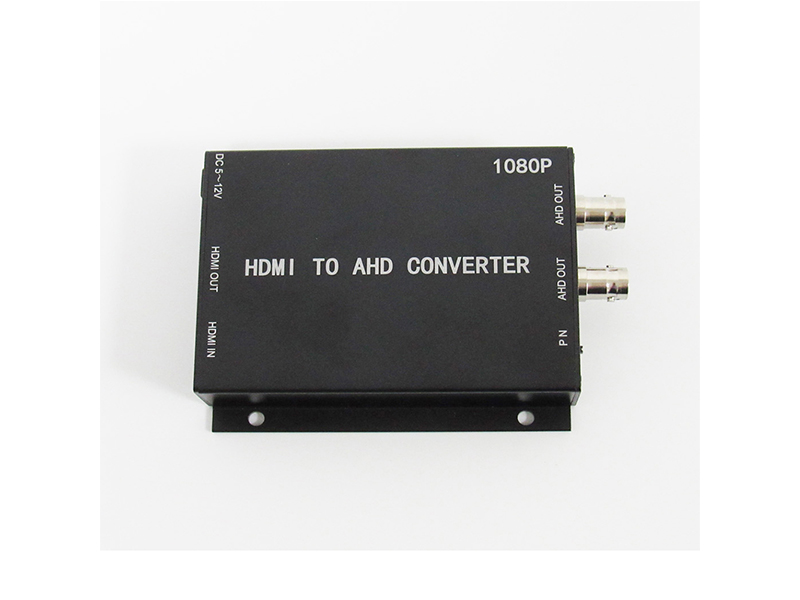
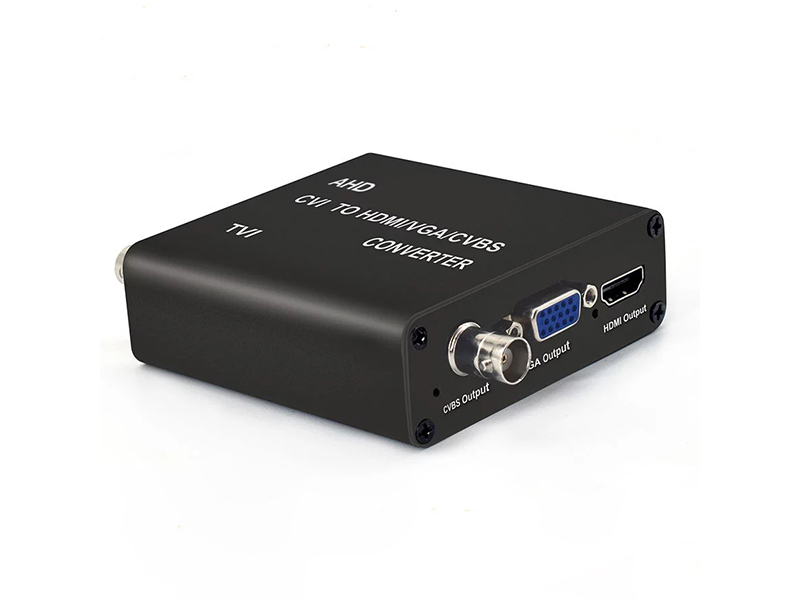
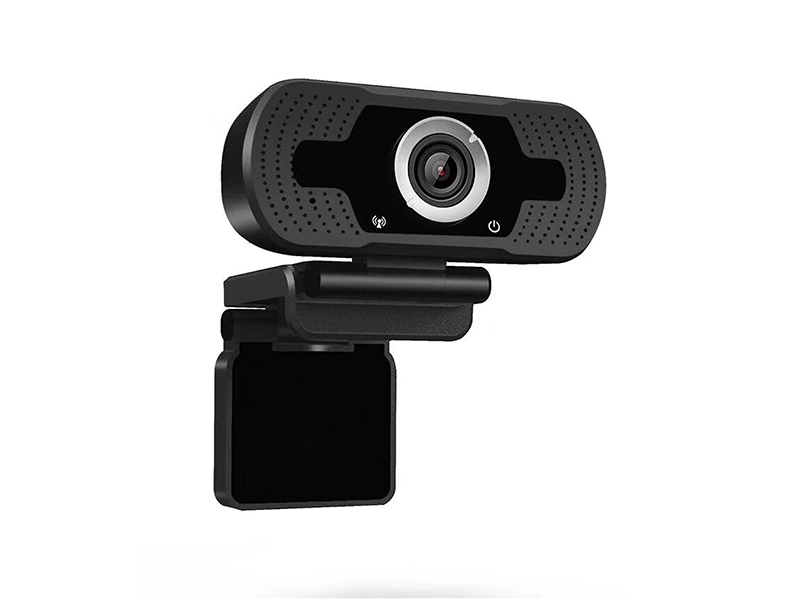
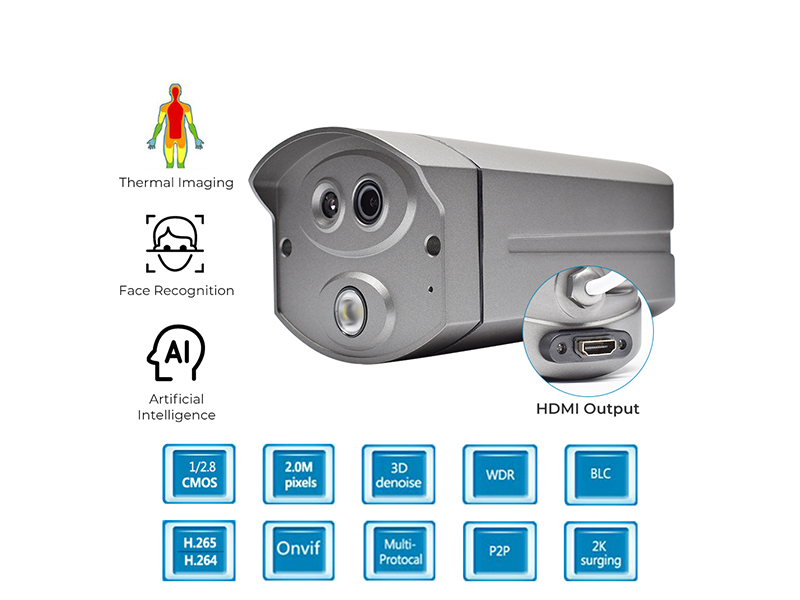
The sample room shelved again along product lines: miniature cameras, security cameras, thermal imaging cameras, video converters, video encoders, capture and extension devices, and PTZ control keyboards with CCTV testers each hold one section, subdivided by interface within the section. Every sample carries a hanging card with model, photosensor, main controller, output resolution and demonstrable functions, so visiting customers can pick a unit and demo it directly against their own site conditions.
The reorganization also inventoried long-borrowed units: missing accessories were completed, and housings with scratched screens were replaced. Demo coaxial HD converters and recording host units are fixed on the middle bench, where AHD, TVI, CVI and CVBS signals can be connected side by side at any time, letting customers compare the image of the same lens under different formats.
Prototyping Scope and Sign-Off Basis
Supported customization concentrates in six categories: structure, silkscreen, lens focal length, IR board configuration, cable length and firmware parameter presets. Structural changes look at housing dimensions and mounting method; silkscreen changes look at artwork files and customer logos; focal length and field of view map to specific M12 or CS mount specifications; IR boards match lamp layout and current to the night-vision distance required; cable length follows the on-site routing measure; firmware presets cover video standard, frame rate, default network address and OSD language.
Before prototyping, the use case and mounting method are confirmed, then samples are built. Samples are usually 3 to 5 units made on the regular production line rather than hand-assembled boards, so the process matches volume production. Customer feedback on samples is logged separately under the six categories above, so a lens problem is not written into the structure column and corrected at the wrong place in the next round.
Record Archiving and Follow-Up
Each prototyping round opens one file holding the work order, sample photos, the confirmation sheet and artwork files signed back by the customer. Photos are shot on the same mount and the same light source, with a dated note inside the frame for later comparison. When a second round starts, the previous file is pulled first, the changed items are listed and checked one by one, and each change is photographed to match.
Among this year's archived prototyping records, structural parts and silkscreen still changed most often, followed by cable length and IR board configuration, which relates to different enclosure assembly practices in overseas markets. For a confirmation sheet template in any category, or to arrange a customer visit to the sample room at the Shenzhen plant, email info@vctcctv.com or call +86-755-28146081 to set a time.
Small Batches and Handover to Production
After sample confirmation comes the small-batch stage, usually 50 to 200 units, still following the same traveler card through aging and recheck. Changes made during the small batch are written into the work instruction, and the process engineer signs the first-article confirmation when the volume order starts. After-sales spares ship to the same specification as the cameras; within volume orders customers can include an agreed ratio of power adapters, main boards and lens assemblies with the shipment.
Files between prototyping and volume production are neither deleted nor altered. The sample room keeps the samples until the model is discontinued, so follow-up orders can pull the original confirmation sheets and photos for verification without running another round, which is also the baseline practice that lets the lines take small-batch orders across many models.